 Almalyk Mining and Metallurgical Complex Joint Stock Company
-
Call-center
+998 78 141 90 09 -
Helpline
+998 71 619 23 33
 Ру
Ру O'z
O'z En
En-
Call-center
+998 78 141 90 09 -
Helpline
+998 71 619 23 33
Never share your verification code with anyone!
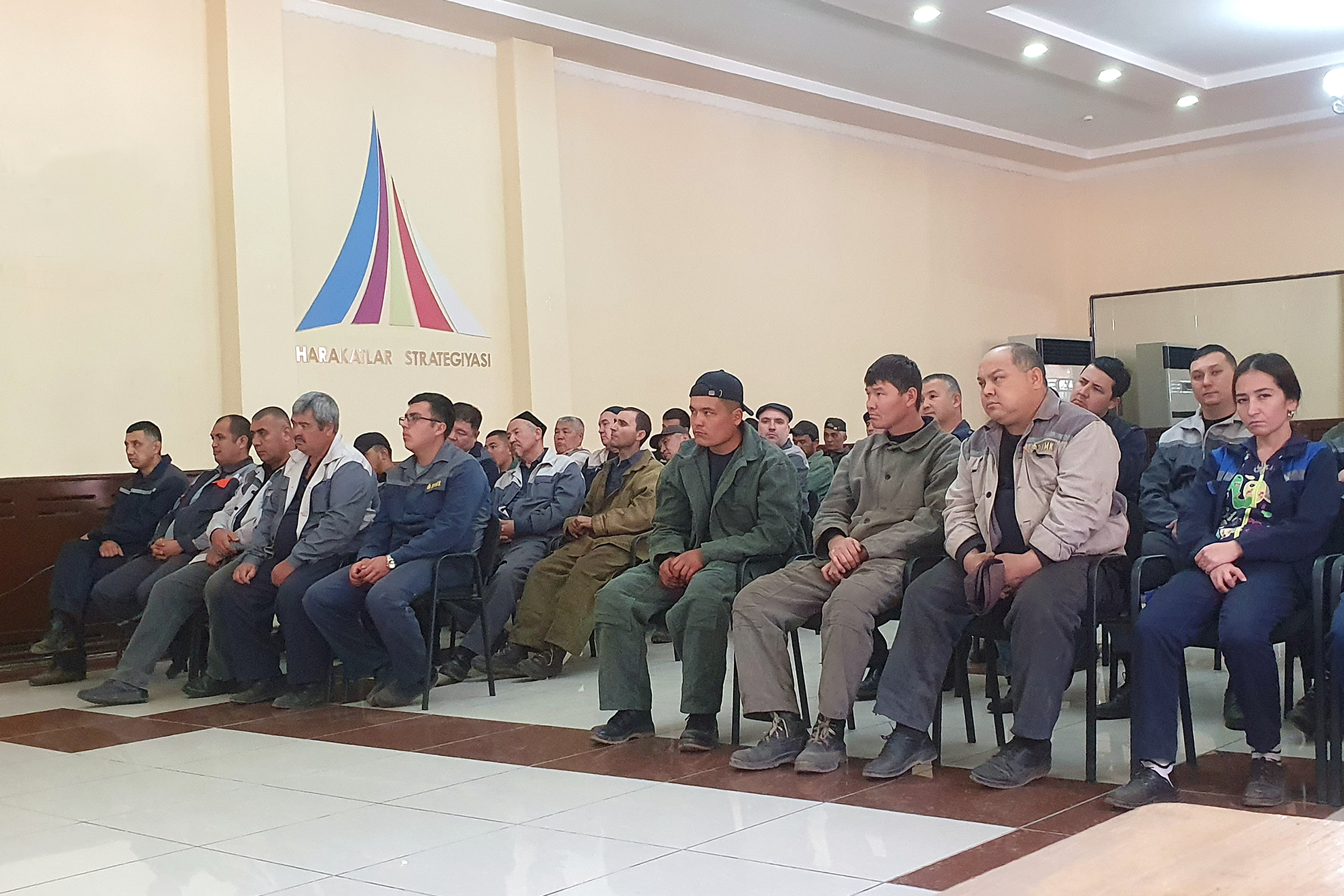
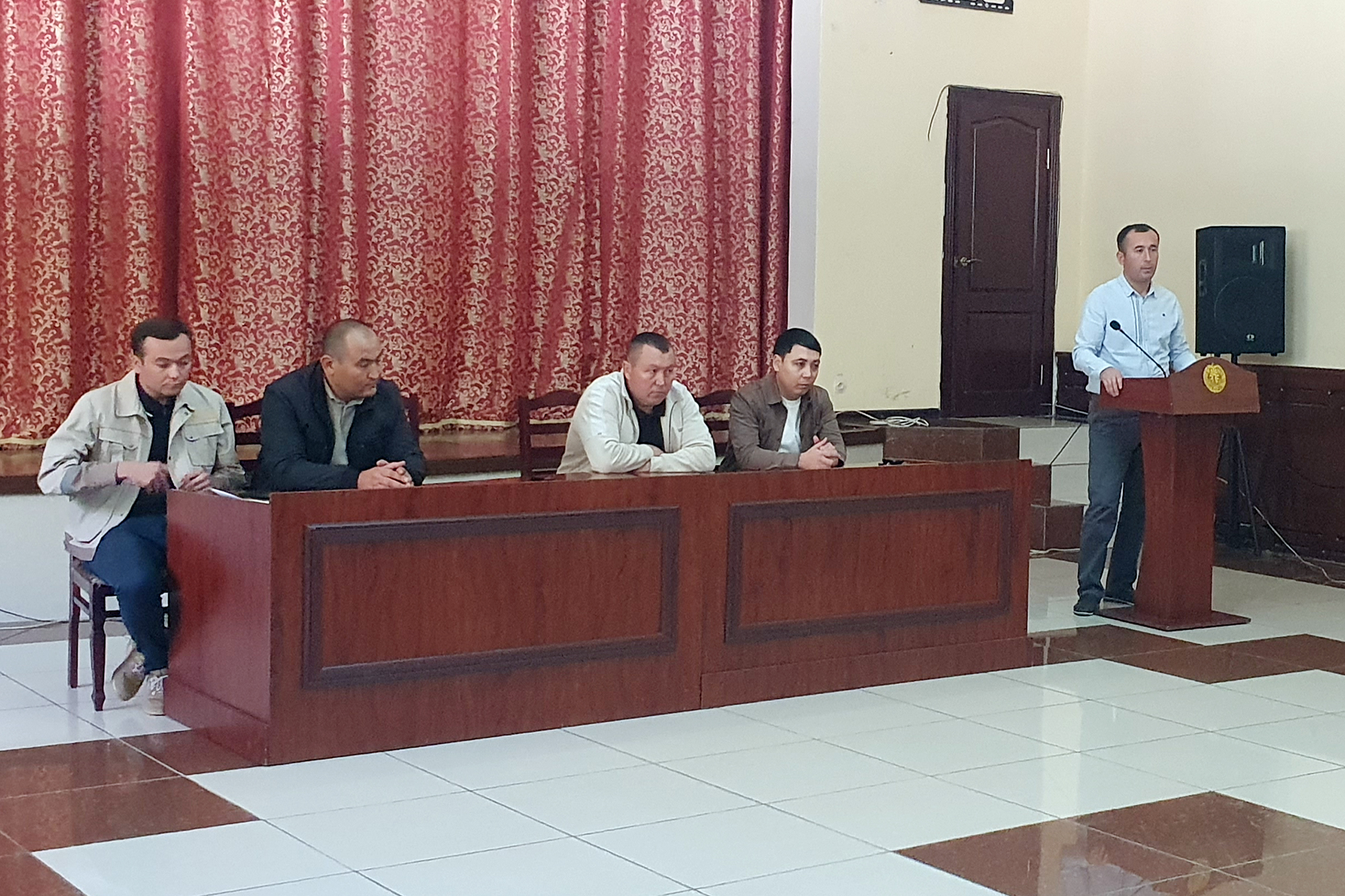
Yesterday, another preventive briefing was held for the Wagon Service personnel of the Industrial Railway Transport Department.
The session was attended by B. Abdullayev, Senior Investigator of the Investigation Unit of the Tashkent Regional Internal Affairs Department assigned to AMMC; rapid-response officers B. Rustamov and A. Abduqodirov; and M. Madmarov, Deputy Head for Protection of Material Assets of the Industrial Railway Transport Department.
Speakers reviewed recent accidents within the combine’s structural units and discussed a wide range of priority topics: the fight against corruption, workplace discipline in production, preventing all forms of religious extremism, stopping the trade in narcotics, fraud prevention, crime prevention among youth, and measures to improve the social-moral and political climate. They also examined the causes and consequences of violations, terrorism risks, and other rule-breaking incidents.
“Fraud is on the rise — and cybercrime, in particular, is becoming increasingly widespread. Recently we have seen many cases where perpetrators exploit information technologies to gain citizens’ trust, misappropriate funds, and gain control over bank accounts via deceptive means,” B. Abdullayev warned. He outlined common schemes: fake websites, phishing emails and SMS messages that request personal data (login, password, card number), skimming devices on ATMs, impostors posing as bank employees to solicit personal information, and malware that compromises users’ devices to steal data.
A central safety message of the briefing was delivered in the clearest possible terms: never disclose one-time verification codes (OTP) sent by SMS to anyone. Using such codes, fraudsters can transfer funds from your accounts or take control of mobile-banking apps without your consent. Likewise, do not share bank-card details or account information with strangers. Abdullayev emphasized that to transfer money to a card, typically only its 16-digit number is required — but fraudsters will try to obtain additional data (PIN, CVV, OTP) to complete unauthorized transactions.
Participants were urged to follow these practical rules to reduce the risk of falling victim to fraud:
- Never reveal one-time verification codes, PINs, or CVV numbers to anyone.
- Only make payments via official websites and trusted mobile apps.
- Do not trust suspicious messages or links received by email, SMS, or social media.
- Be especially wary of fake “promotional” offers or prize notifications asking for personal data.
Officials also shared recent statistics: law-enforcement agencies identified more than 1,000 cybercrime incidents in the country during the first half of 2025. The most effective defense, they said, is individual responsibility — citizens must treat their personal data with care and be alert to potential threats. As technology advances, so do the methods used by criminals; vigilance and digital literacy remain our best protections.
The briefing closed with additional remarks from responsible officers on the day’s agenda items and a reminder that preventing fraud is a shared responsibility of both institutions and citizens.
In our country, for committing fraud using information systems, including information technologies, the following penalties are established: a fine from 300 to 400 times the base calculation amount, or correctional labor from 2 to 3 years, or deprivation of certain rights, or imprisonment from 5 to 8 years.
Information service
