 Almalyk Mining and Metallurgical Complex Joint Stock Company
-
Call-center
+998 78 141 90 09 -
Helpline
+998 71 619 23 33
 Ру
Ру O'z
O'z En
En-
Call-center
+998 78 141 90 09 -
Helpline
+998 71 619 23 33
Zero Tolerance for Corruption: Prevention Continues
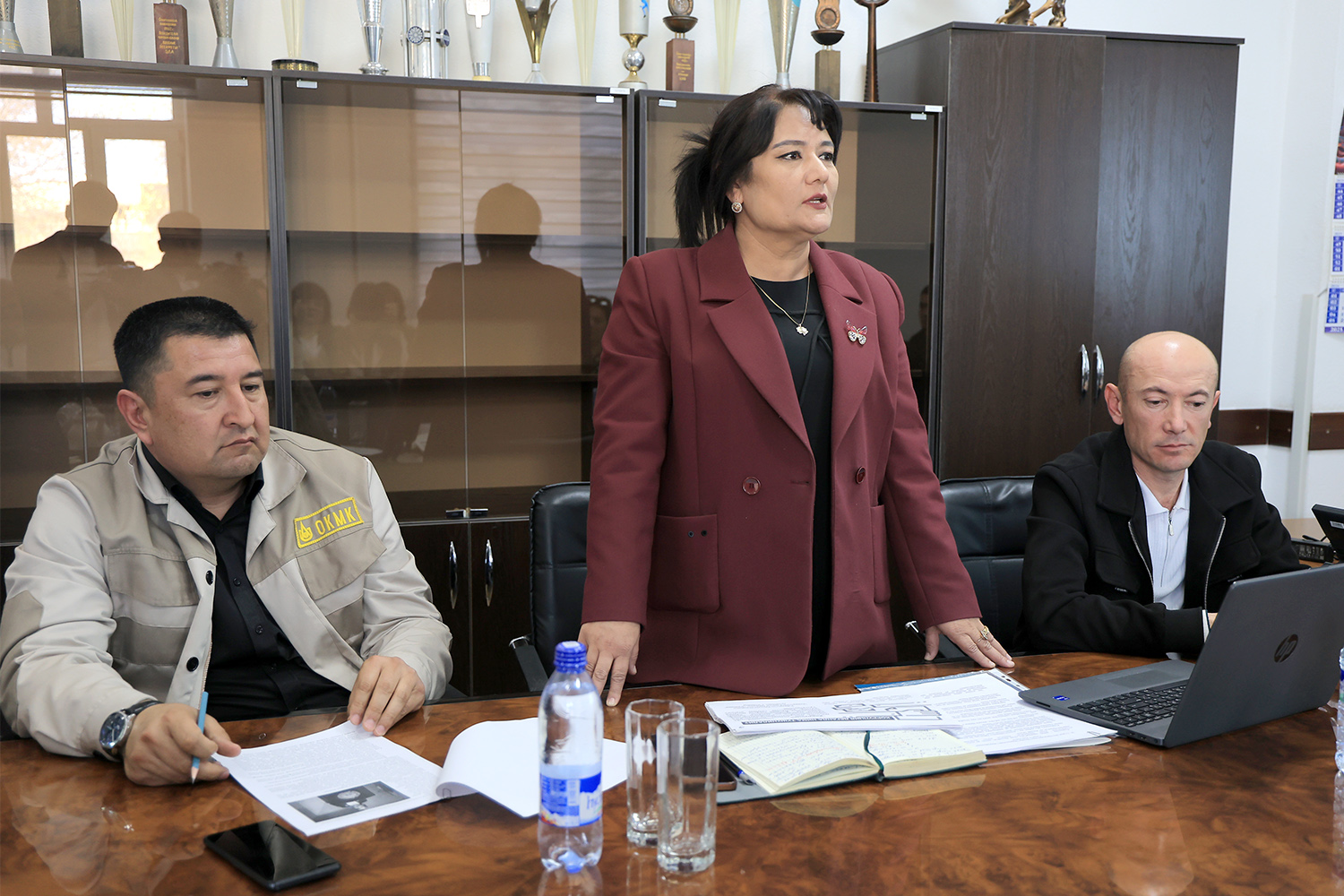
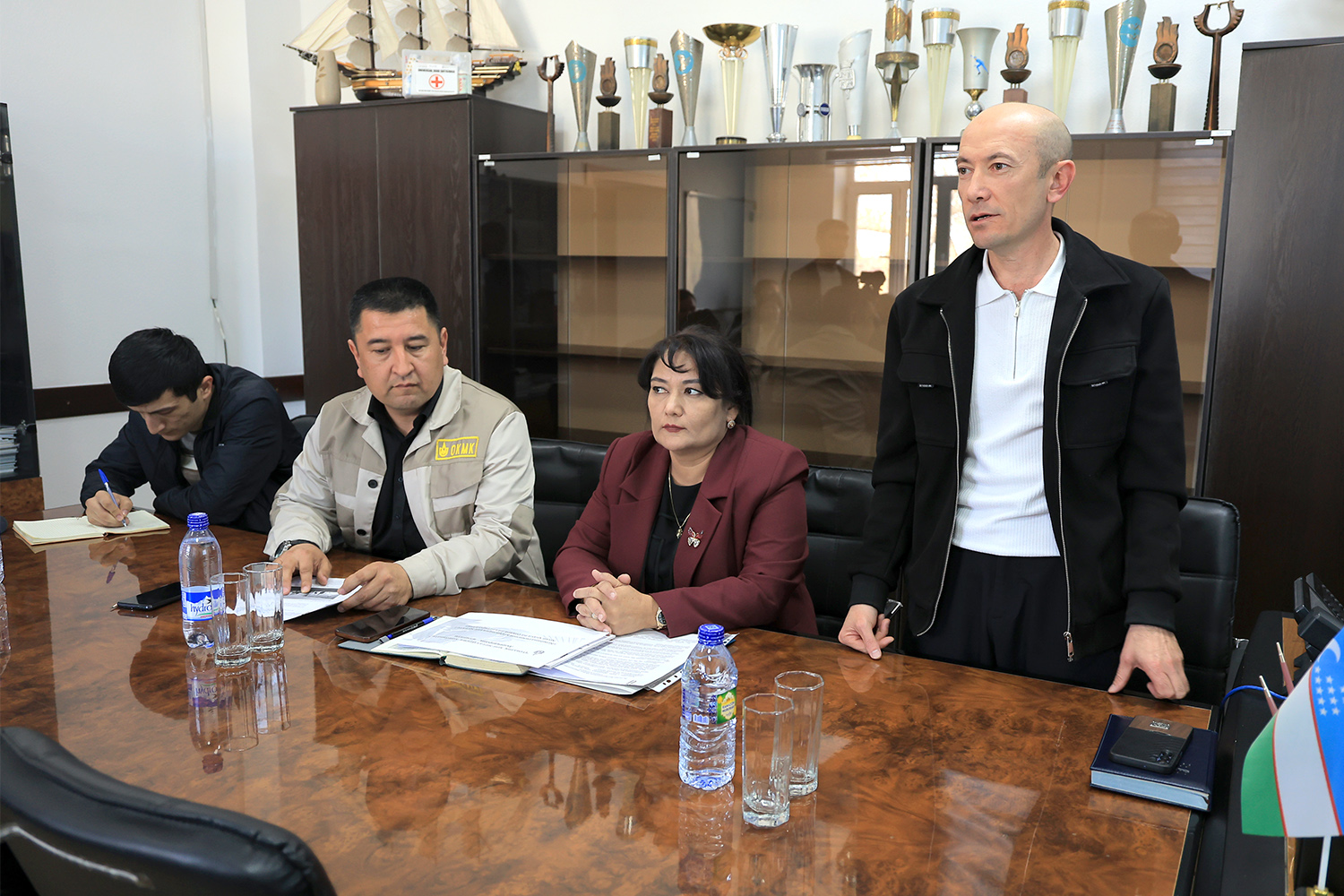
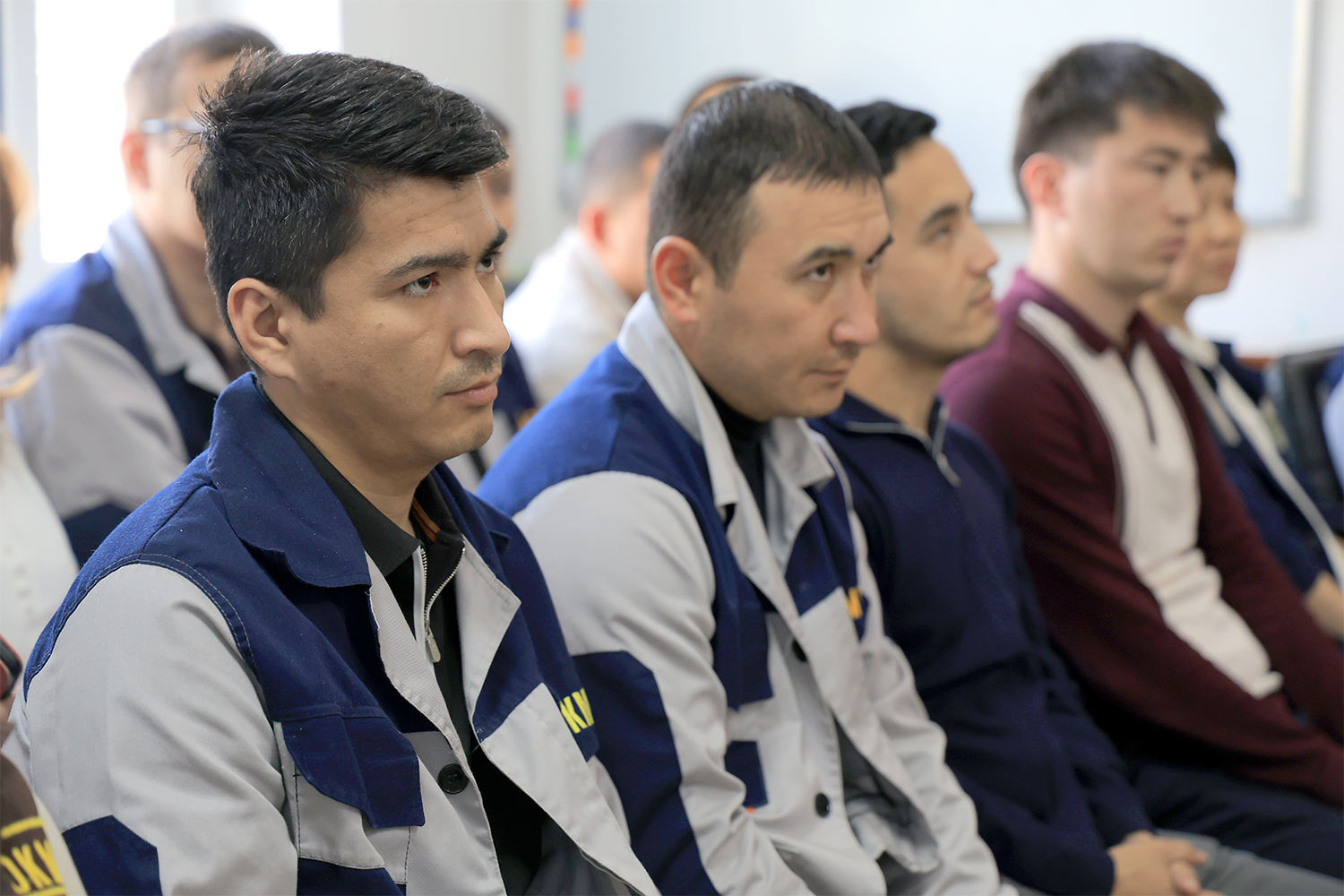
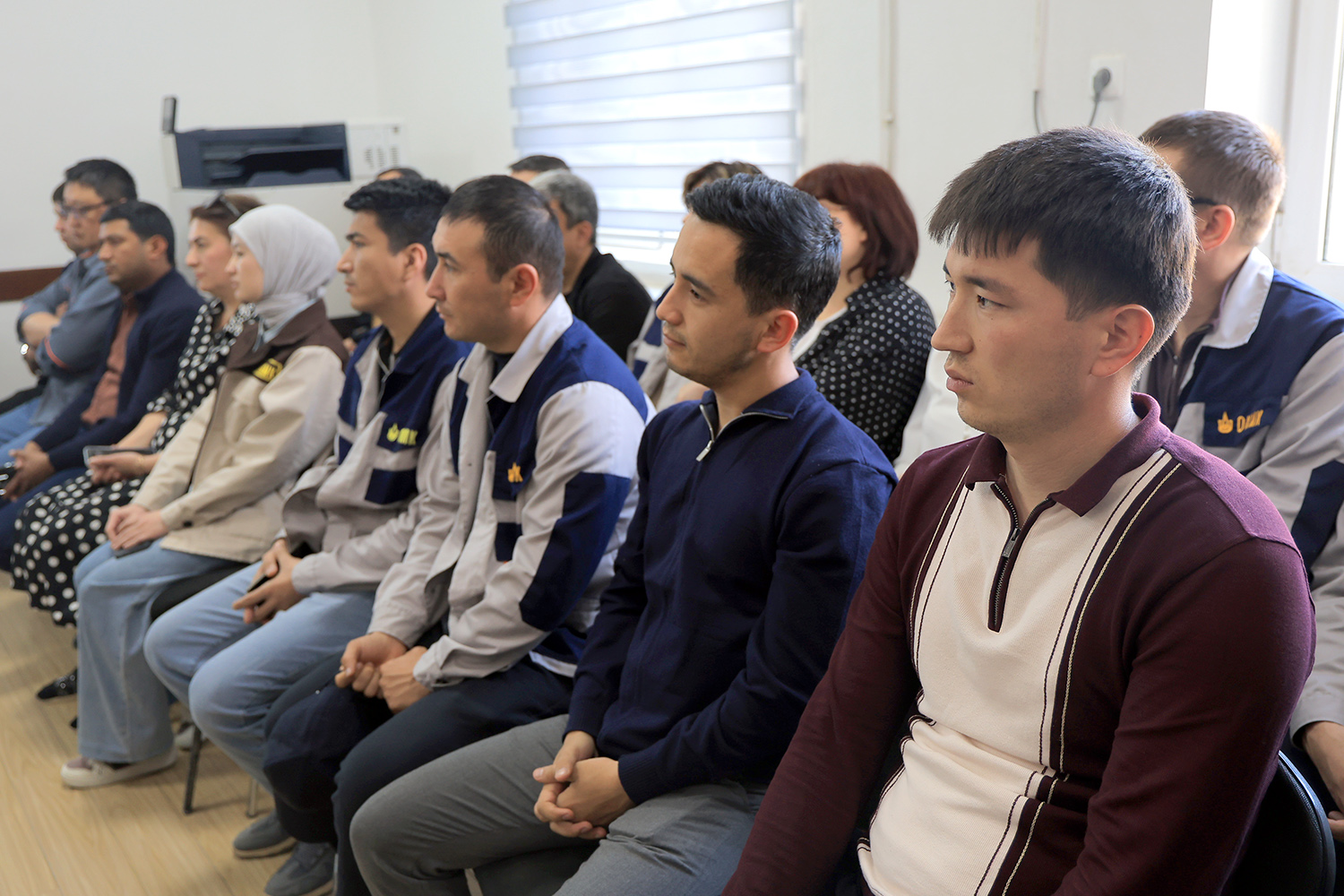
Preventive measures are implemented on an ongoing basis in all the structural divisions of Almalyk Mining and Metallurgical Complex.
The latest such meeting was held on 26 March this year in the Production Automation Department. It was attended by Gulnoza Sabrieva, the Leading Specialist of the Compliance Service; Jamshid Pardayev, Representative of the Almalyk Committee on Religious Affairs; the officers of the interior affairs authority at AMMC of the Tashkent Region Department of Interior Affairs; and enterprise employees.
The specialists who spoke at the event provided a detailed discussion of the nature of corruption, its threats to society, and the measures being taken to combat it.
As G. Sabrieva noted, corruption undermines the foundations of democracy and the rule of law, reduces public trust in the state and government institutions, and leads to human rights violations. It hinders the development of a market economy and fair competition, promotes the monopolization of certain industries, and creates the conditions for illegal appropriation of budget funds on an especially large scale.
Moreover, corruption worsens people's quality of life, exacerbates social inequality, and leads to an increase in the number of low-income and socially vulnerable citizens. It also creates a favorable environment for organized crime, terrorism, and other offenses, which entail numerous negative consequences.
Particular attention was given to the measures outlined in President Shavkat Mirziyoyev's Address to the Oliy Majlis and the People of Uzbekistan dated 26 December 2025. In particular, the Presidential Decree No. UP-270 dated 30 December 2025, introduces the practice of issuing protective orders to individuals who report about corruption offenses.
The establishment of the award badge "For Contribution to the Fight against Corruption" is also envisaged to recognize employees of government agencies and organizations, representatives of civil society institutions, and active citizens who have made a significant contribution to combating corruption. There are plans to implement artificial intelligence technologies to identify corruption risks, as well as to establish a deputy position responsible for compliance and internal anti-corruption control in all agencies.
In conclusion, the participants were once again reminded that vigilance and a principled stance by everyone are key to effectively combating corruption.
