 Almalyk Mining and Metallurgical Complex Joint Stock Company
-
Call-center
+998 78 141 90 09 -
Helpline
+998 71 619 23 33
 Ру
Ру O'z
O'z En
En-
Call-center
+998 78 141 90 09 -
Helpline
+998 71 619 23 33
Triticale Harvest Exceeded Forecasts
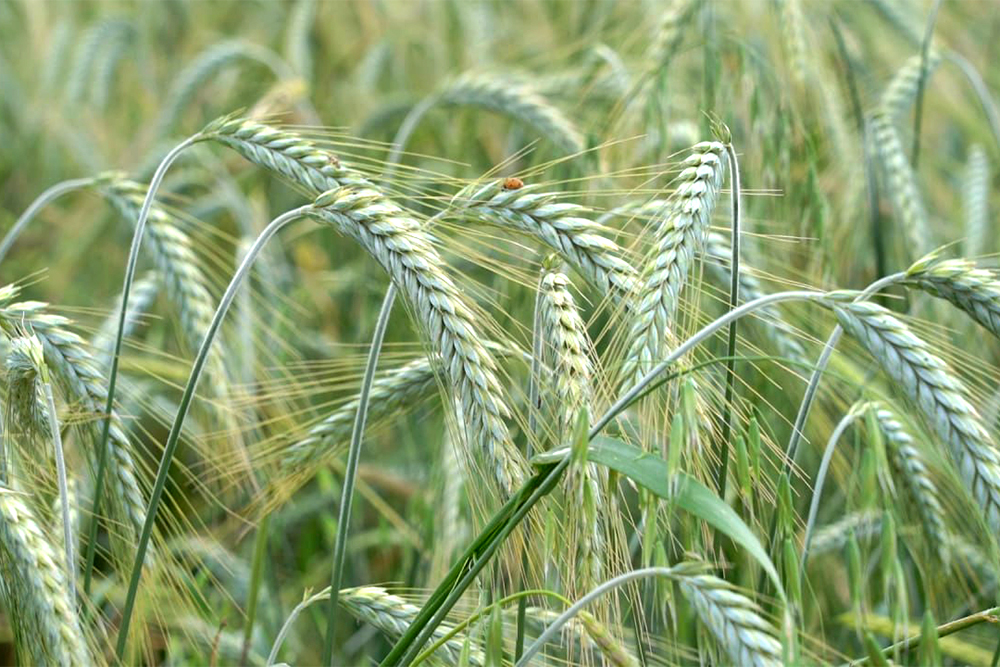
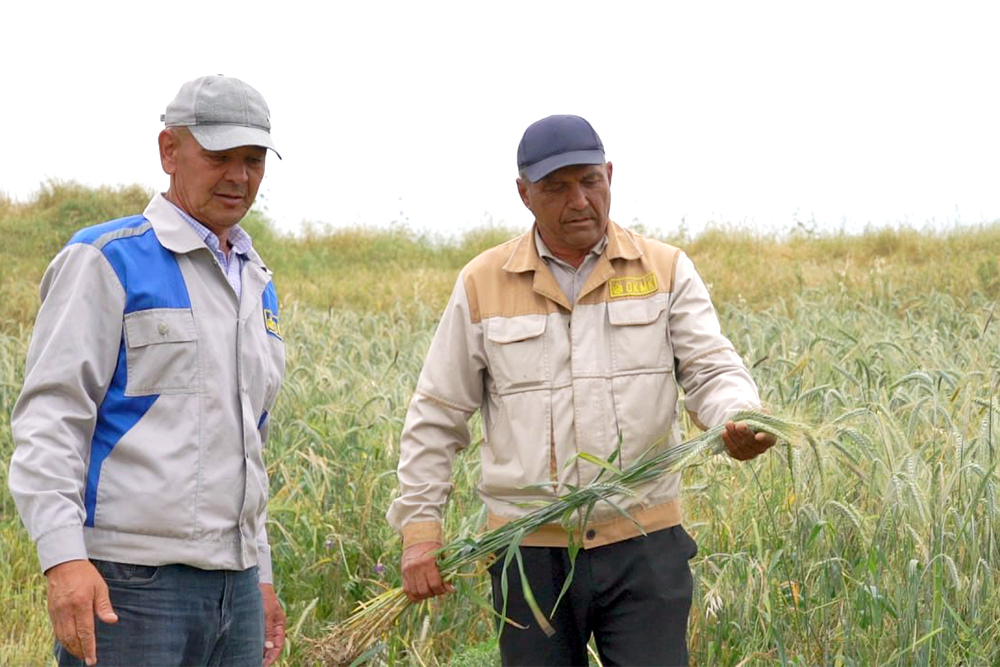
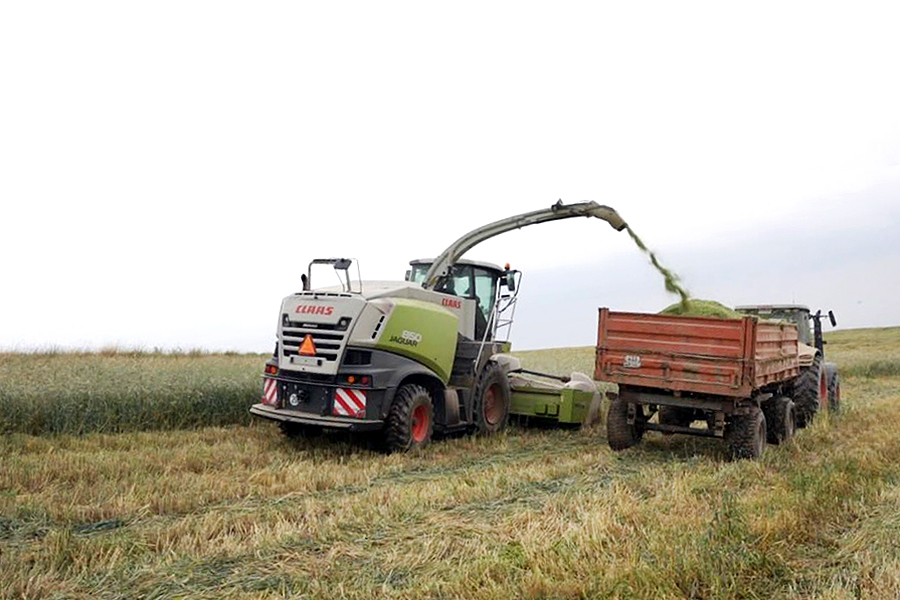
When people think of Almalyk Mining and Metallurgical Complex, most people imagine a large mining enterprise specializing in copper and precious metals. However, Almalyk Mining and Metallurgical Complex is not only an industrial giant but also a diversified production complex, successfully developing a number of social and economic activities.
One of these divisions is the Consumer Goods Production Department, which for many years has provided the Complex employees and the town residents with melons, vegetables, fruits, fish, meat, dairy, and clothing products. According to specialists, this year, the workers in the agricultural production and forage preparation department once again organized the harvest campaign at a high level and achieved excellent results.
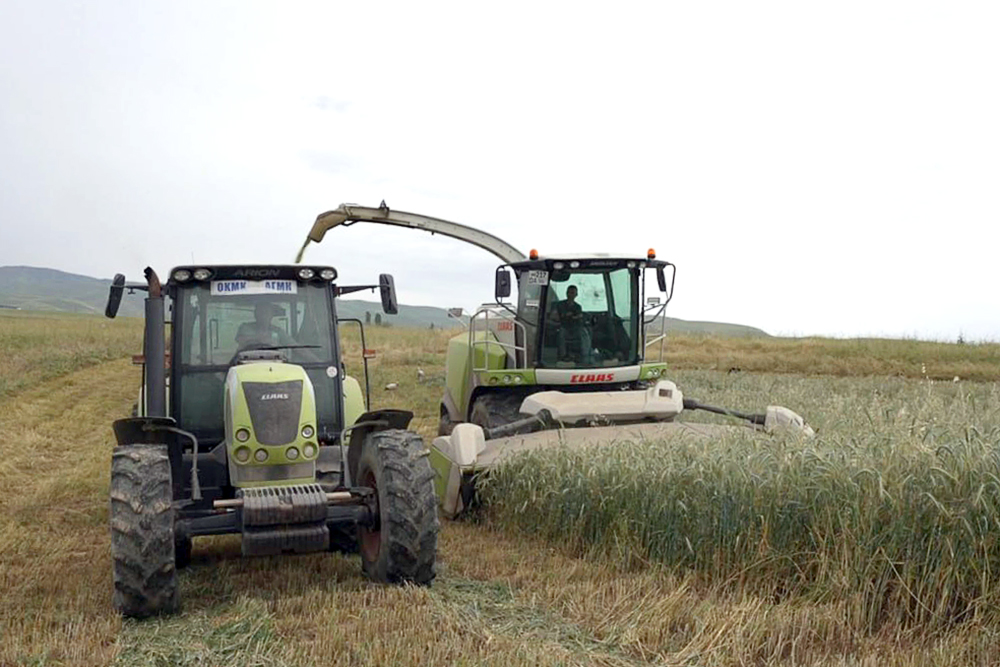
According to Shokir Ergashev, the leading agronomist at the Consumer Goods Production Department, the first harvest of the 2026 agricultural season began on 4 May. By May 26, triticale had been completely cut for silage and delivered promptly to the dairy farm. According to the forecast, 100 hectares of irrigated land was expected to yield 2,200 tons of crops. The actual harvest was 2,295 tons, achieving 104.4% of the forecast. Additionally, 40 hectares of rainfed land yielded 612.6 tons of crops, achieving 102.1% of the forecast.
For reference: triticale is considered one of the most productive agricultural crops and is widely used as a green manure crop, a fertilizer that helps restore soil fertility. The plant's root system secretes organic acids, which help convert poorly soluble phosphorus compounds into a form accessible to subsequent crops. Furthermore, triticale grows rapidly and forms a dense canopy of leaves, which inhibits weed growth by limiting sunlight.
Currently, the Consumer Goods Production Department team is tending 213.6 hectares of wheat, 110 hectares of silage corn, 90 hectares of grain corn, and 154 hectares of alfalfa.
To ensure efficient use of agricultural land, the areas freed up after the triticale harvest are planned for replanting with melons, silage corn, potatoes, and cucumbers. This will allow for additional harvests and the most efficient use of the enterprise's land resources.
