 Almalyk Mining and Metallurgical Complex Joint Stock Company
-
Call-center
+998 78 141 90 09 -
Helpline
+998 71 619 23 33
 Ру
Ру O'z
O'z En
En-
Call-center
+998 78 141 90 09 -
Helpline
+998 71 619 23 33
CCP-3: Advanced Engineering Solutions for the Sustainable Use of Natural Resources
On March 16, the head of our state commissioned the first phase of the project of copper concentrator plant (CCP-3), aimed at creating a high-value chain in the country's copper industry.
The enterprise built as part of the investment project to develop the “Yoshlik I” deposit and occupying the area of 196 hectares, is more than just a production facility; it is a modern industrial complex that strengthens the country's industrial potential and ensures the advanced processing of natural resources. Importantly, all the production processes are based on energy-efficient, high-performance equipment.
The tailings storage facility at CCP-3 is an integral part of the production cycle and one of the enterprise's most technologically advanced sections. Today, it is no longer just a tailings disposal system, but a complex engineering solution with digital control, automation, and intelligent monitoring systems.
After flotation, the plant produces up to 8,621.5 tons (25,419 cubic meters) of process tailings per hour. They are transported to the tailings storage facility via a hydrotransport system, which ensures the safe and uninterrupted disposal of over 59 million tons of waste per year.
The process is fully automated and utilizes highly efficient Warman pumps. The system is equipped with four units, each with a capacity of approximately 13,000 cubic meters per hour: two are in primary mode, and two are in reserve. This allows for the stable pumping of large volumes of slurry over significant distances. The system operates under pressure and can maintain optimal operation with virtually no human intervention.
The automated control system plays a key role. Radar level gauges installed in the storage tanks transmit data in real time. If the permissible level is exceeded, the system automatically activates additional pumps or redistributes flows, preventing emergency situations and ensuring process continuity.
Chemical parameters are also monitored. pH sensors monitor acidity levels, and process parameters are promptly adjusted if necessary. This increases production efficiency while simultaneously reducing environmental impact.
Another modern solution is the use of an intelligent valve and sensor system. Motorized and pneumatic valves, pressure sensors, and electromagnetic flow meters operate in a single system. This allows operators to precisely control pressure, flow rate, and fluid consumption along each process line. All data is fed into the central control system and analyzed on a single platform.
Modern approaches are also being applied at the tailing dump itself. The water recycling system has been implemented, allowing for the reuse of clarified water. Floating pumping stations return this water to the plant, thereby conserving water resources and improving environmental sustainability. Furthermore, the system of deep wells has been created to monitor seepage water from the tailings dump: the collected water is recycled, preventing groundwater contamination.
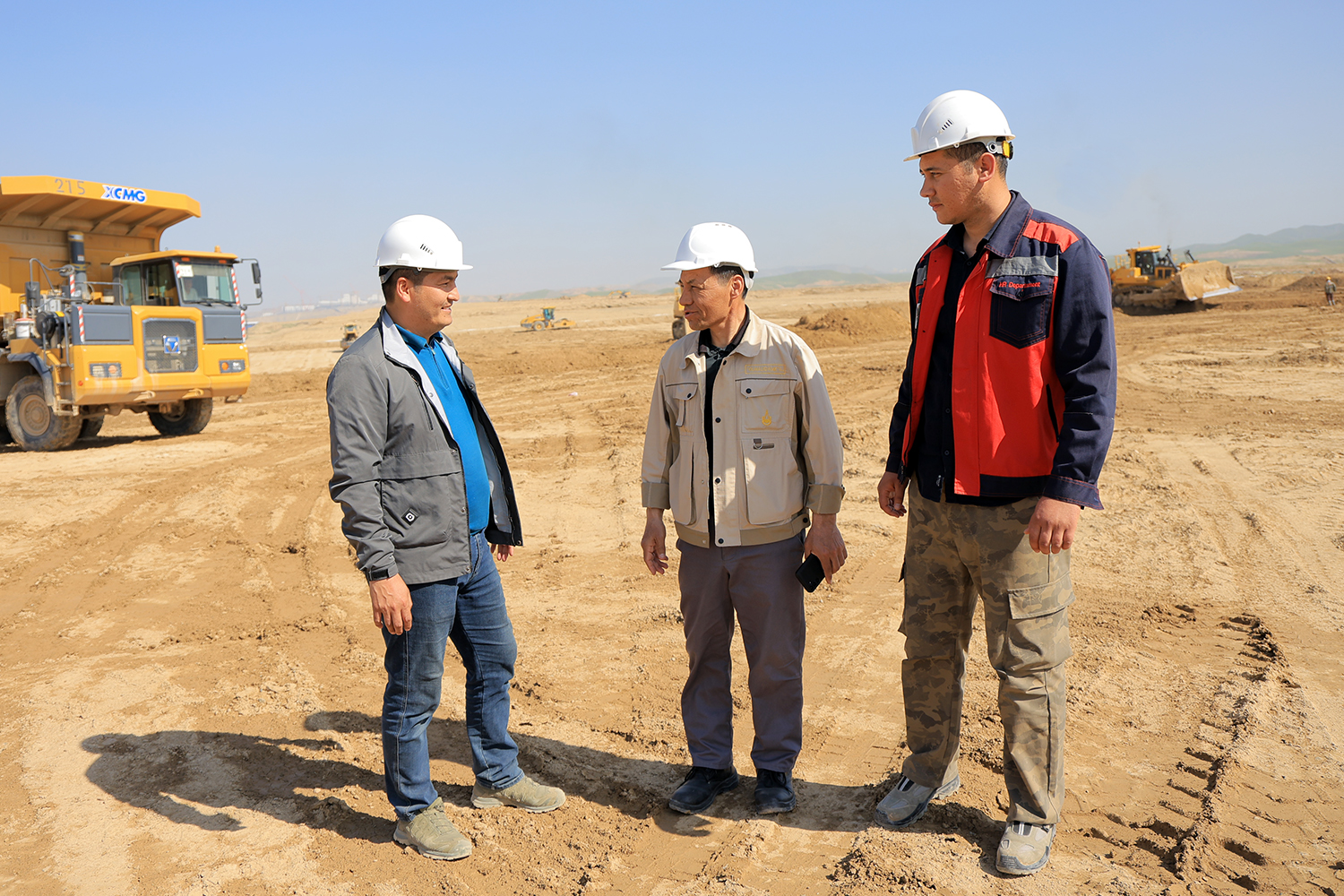
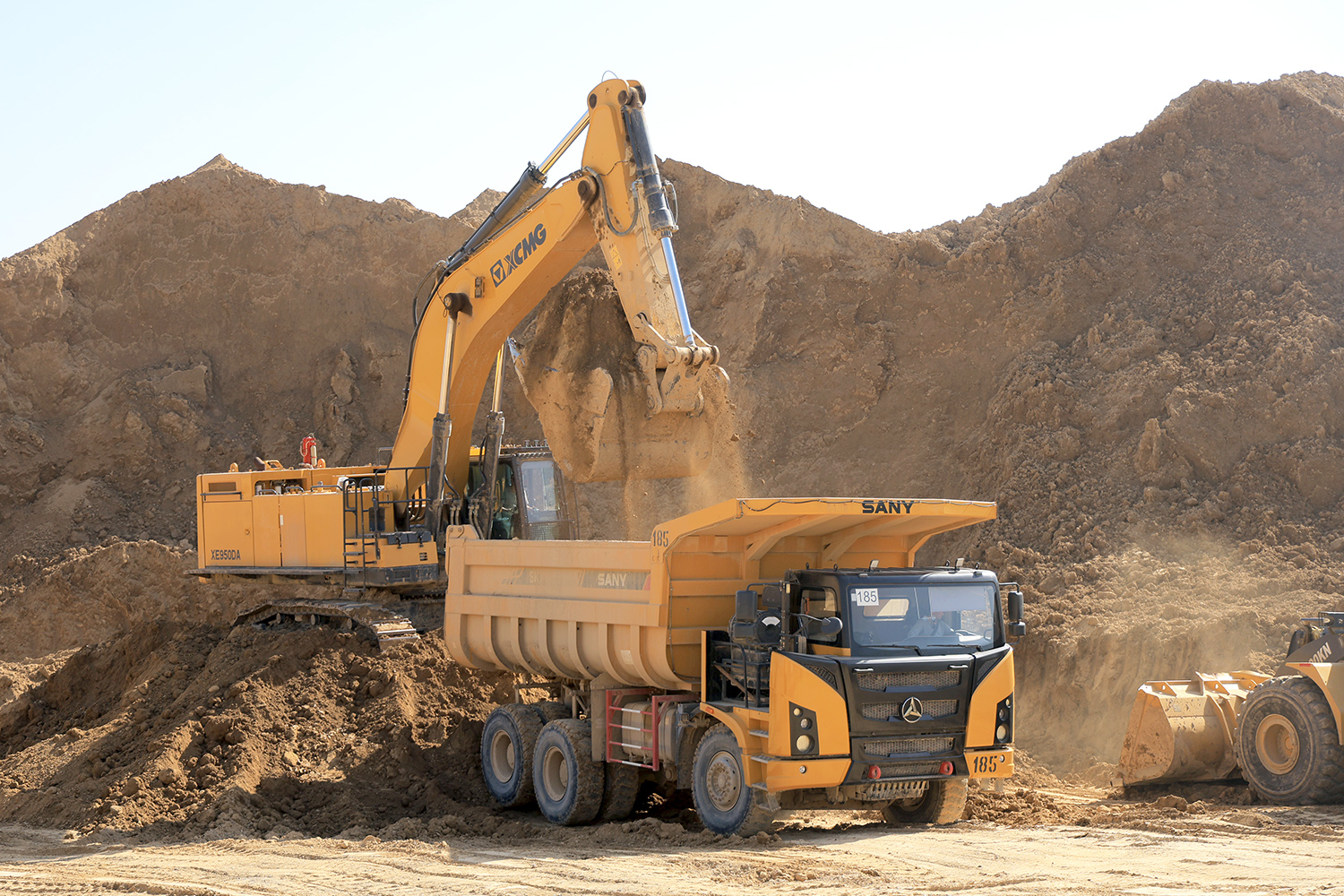
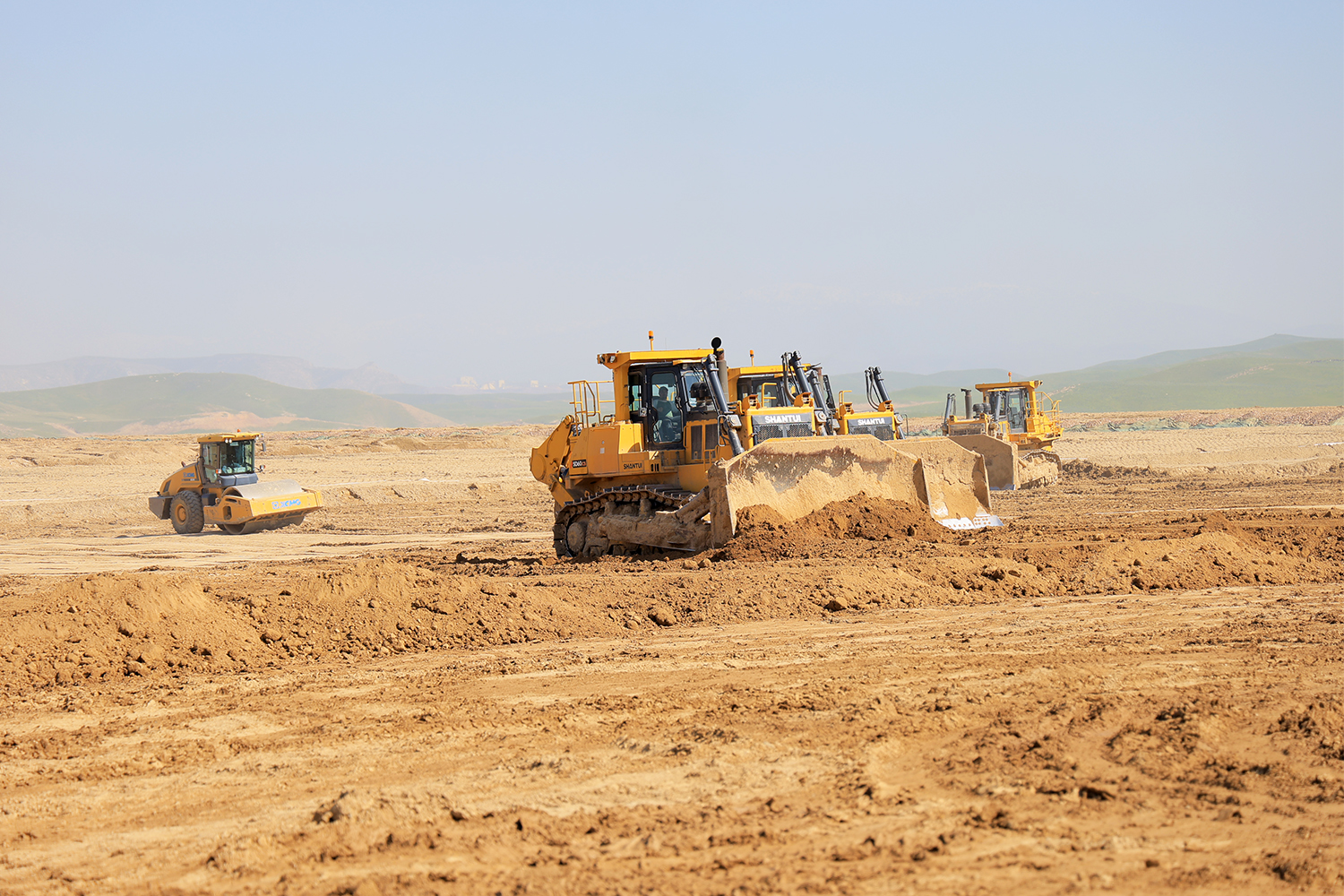
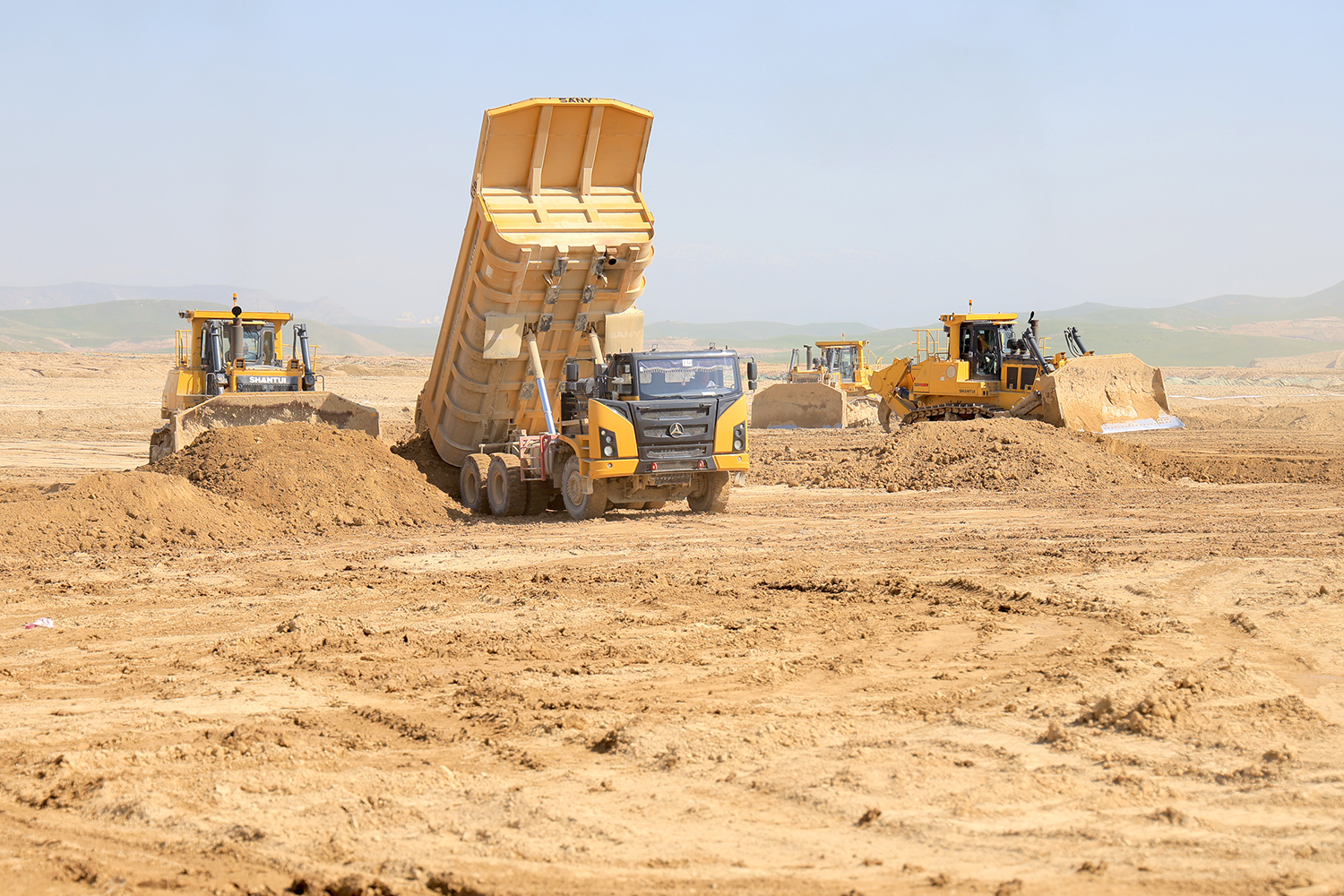
Currently, active construction of the tailing dump is ongoing 7 kilometers from the plant, in the northwestern part of the Kurama Ridge: the first site covers 1,420 hectares, and the second site covers 1,380 hectares.
As Murod Utbosarov, Head of the Tailings Storage Section of CCP-3, noted, the implementation of water recycling allows for the return of valuable natural resources to the production cycle, increasing their efficiency and ensuring environmental sustainability.
Overall, the modern technologies used at the plant not only improve production performance and product quality but also promote the careful use of natural resources and environmental protection.
