 Almalyk Mining and Metallurgical Complex Joint Stock Company
-
Call-center
+998 78 141 90 09 -
Helpline
+998 71 619 23 33
 Ру
Ру O'z
O'z En
En-
Call-center
+998 78 141 90 09 -
Helpline
+998 71 619 23 33
Corruption — a Blight on Social Progress
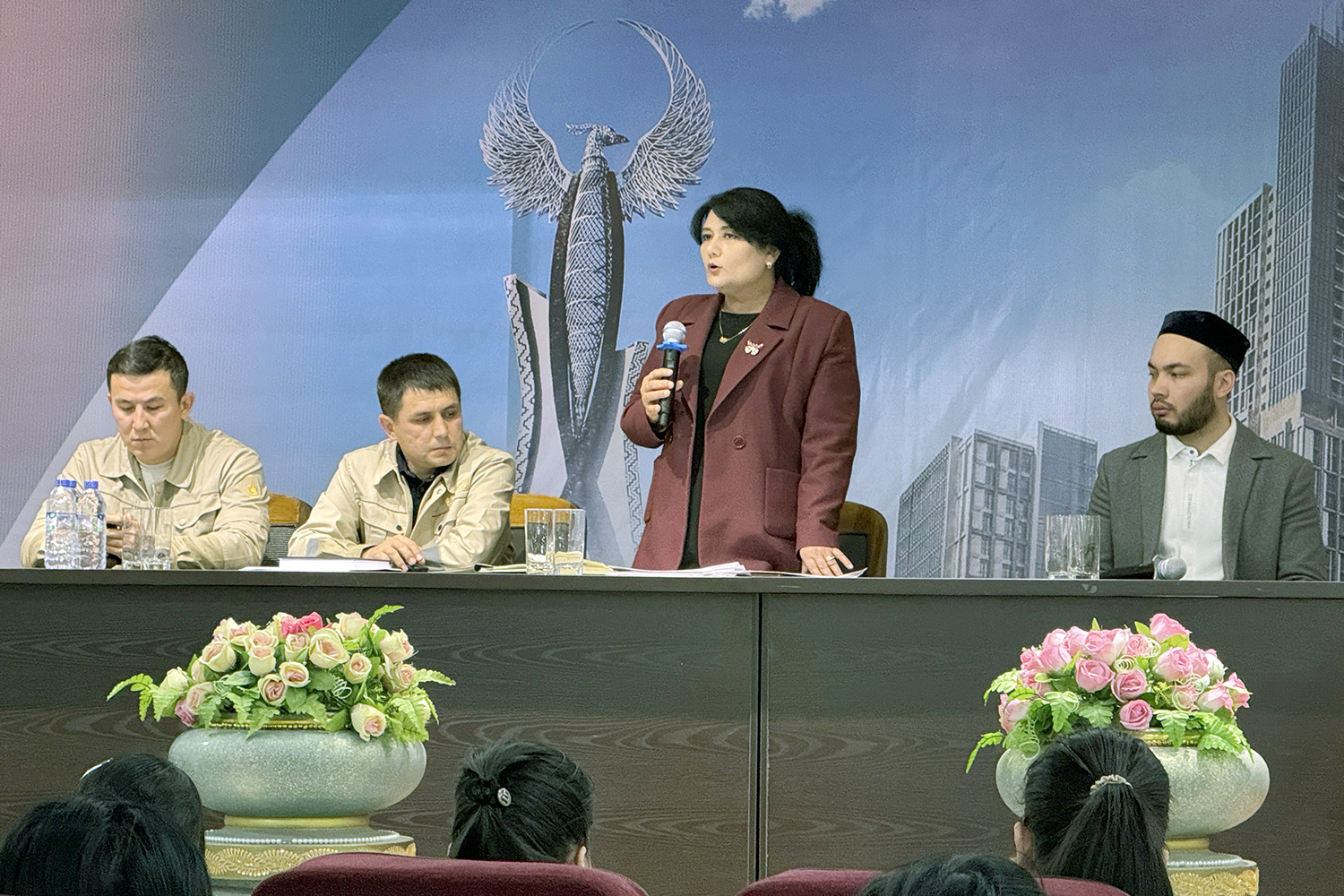
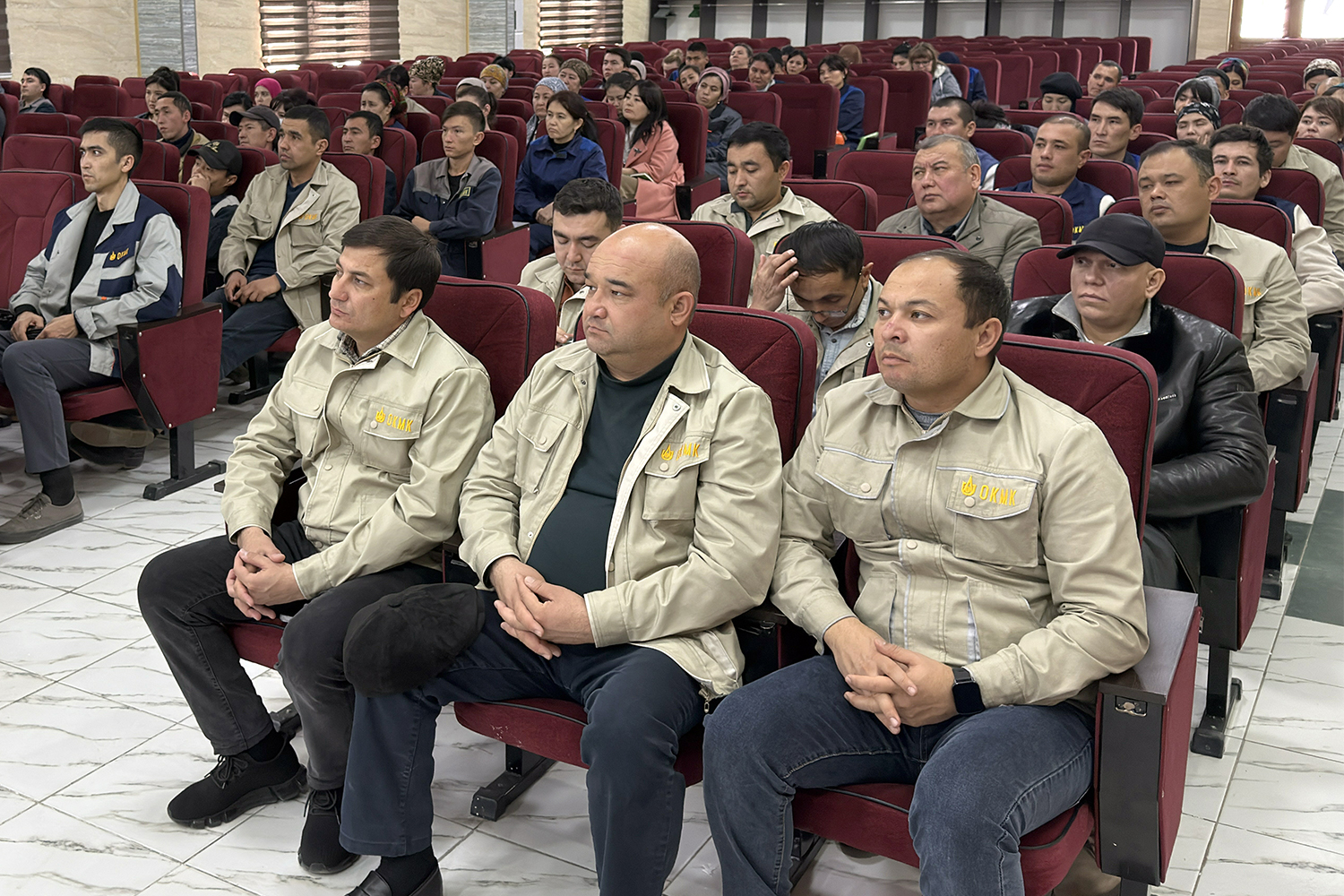
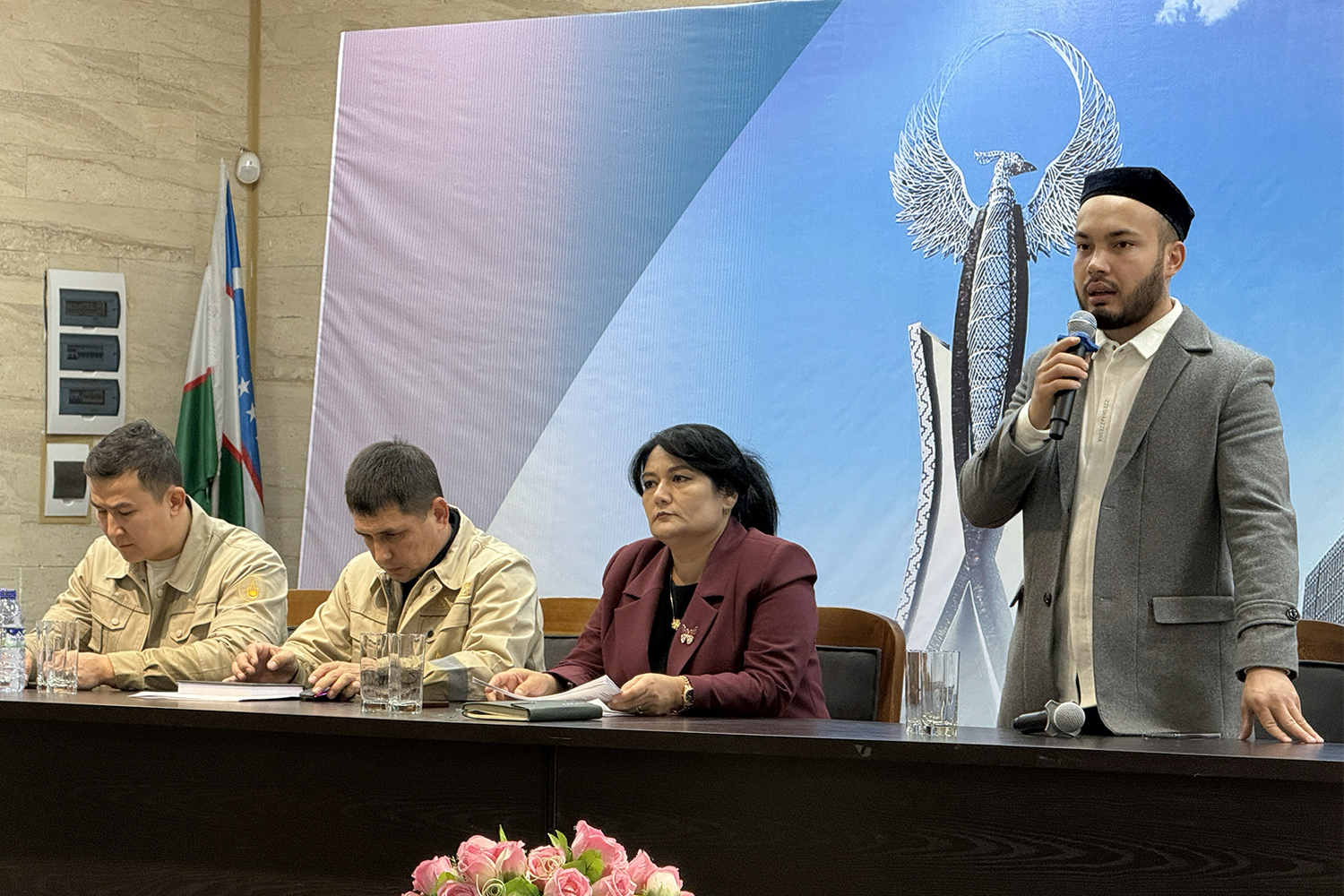
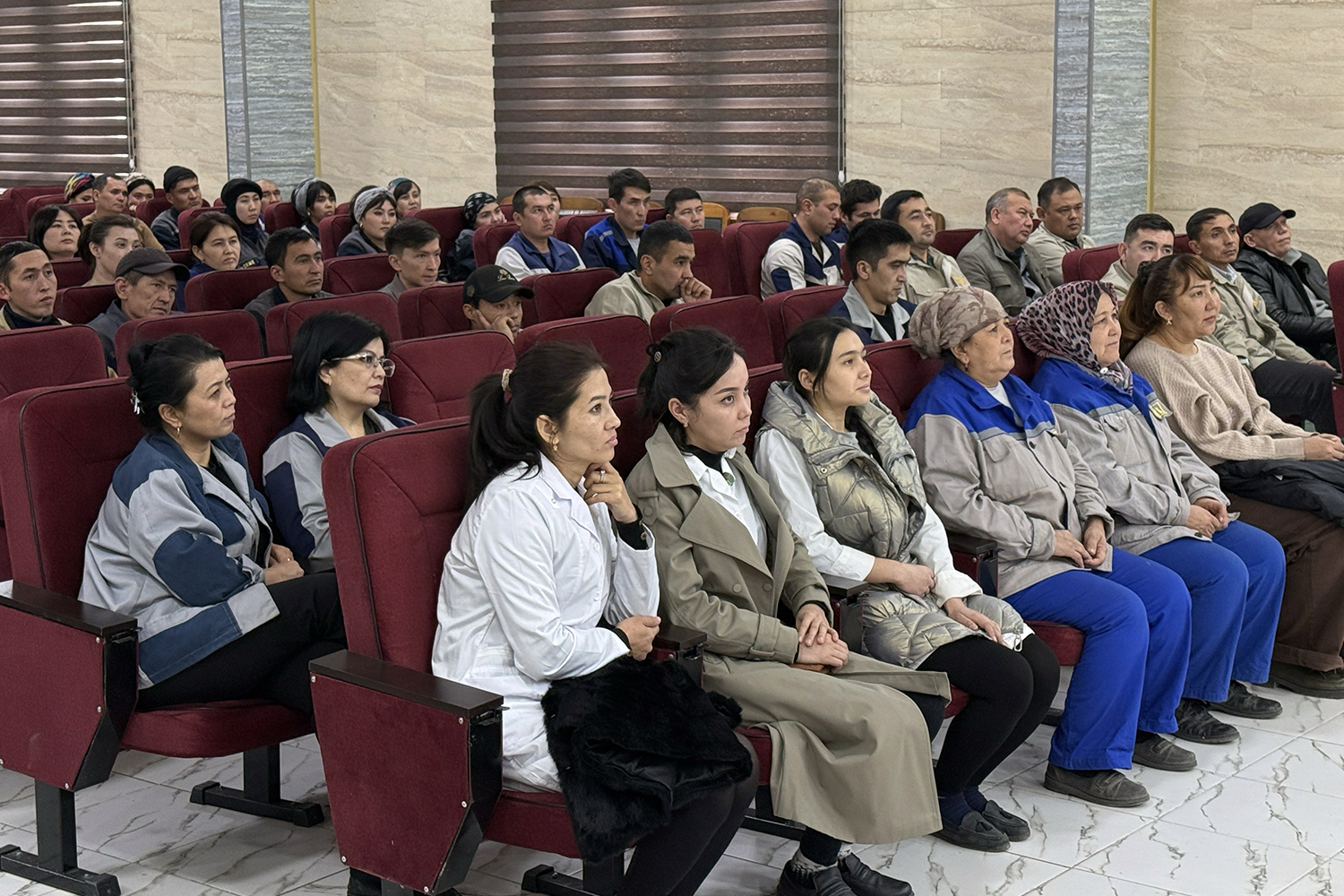
As part of the anti-corruption month at the Almalyk Mining and Metallurgical Complex, regular roundtable discussions are being held under the slogan “Fighting corruption is a national duty and the conscience of every patriot.” The events are organized across the complex’s structural units.
Following the approved schedule, the latest meetings were arranged for teams from the Central Repair and Mechanical Plant, the Specialized Repair Works Department, the Zinc Plant, the Central Analytical Laboratory, the Corporate Militarized Guard Service, the Production Automation Department, the Central Metrology Laboratory, and the Project Office for Digital Transformation and ERP Implementation.
Participants in the discussions included Murtozakhon Abdullakhonov, deputy imam of the Hilol Jome Mosque; Gulnoza Sabriyeva, senior specialist of AMMC’s Compliance Service; and leading specialist Shuhrat Kholxojaev.
Speakers noted that Uzbekistan ratified the United Nations Convention against Corruption in 2008 and endorsed the Istanbul Action Plan on Anti-Corruption adopted by the Organization for Economic Co-operation and Development in 2010. They emphasized that the country is implementing a comprehensive set of measures to combat corruption and to prevent such crimes.
- Both the giver and the taker of a bribe are condemned, invoking religious condemnation of corruption. He underscored that Islam has always sought to form a healthy social environment by placing strict barriers against vices that undermine society. “Bribery — whether taking or offering — drags communities backward, hinders development and brings great harm and calamity to society. Honest livelihood is a core tenet; people are tested by their choices, and pursuing illicit gain corrodes the moral and economic foundations of the nation,” - said Murtozakhon Abdullakhonov, deputy imam of the Hilol Jome Mosque.
- Although a number of measures are being implemented in our country to prevent corruption, law-enforcement practice shows that cases involving officials committing corruption-related crimes are still occurring. According to statistics, between 2017 and 2019, criminal liability was applied to 6,127 officials for taking bribes. In the first six months of 2019 alone, 590 criminal cases on corruption were initiated against 661 officials of various categories. It is alarming that among those exposed for corruption, 25 worked at the republican level, 36 at the regional level, and 476 at district or city-level ministries, agencies, enterprises and organizations. Corruption offenses continue to be most prevalent in the healthcare and education sectors, in public services, and particularly in areas related to licensing and issuing permits for business activities, - said Shuhrat Xolkhojayev. If we look at international experience, we can see that many developed countries, including Singapore, the United Kingdom, Germany and the United States have adopted laws such as the ‘Public Service Act’ and the ‘Public Oversight of Civil Service Act’, as well as codes of ethics regulating the conduct of civil servants, officials and judges.
During the session, officials answered employees’ questions in detail.
AMMC Information service
