 Almalyk Mining and Metallurgical Complex Joint Stock Company
-
Call-center
+998 78 141 90 09 -
Helpline
+998 71 619 23 33
 Ру
Ру O'z
O'z En
En-
Call-center
+998 78 141 90 09 -
Helpline
+998 71 619 23 33
IRTD: Localization as the Development Driver
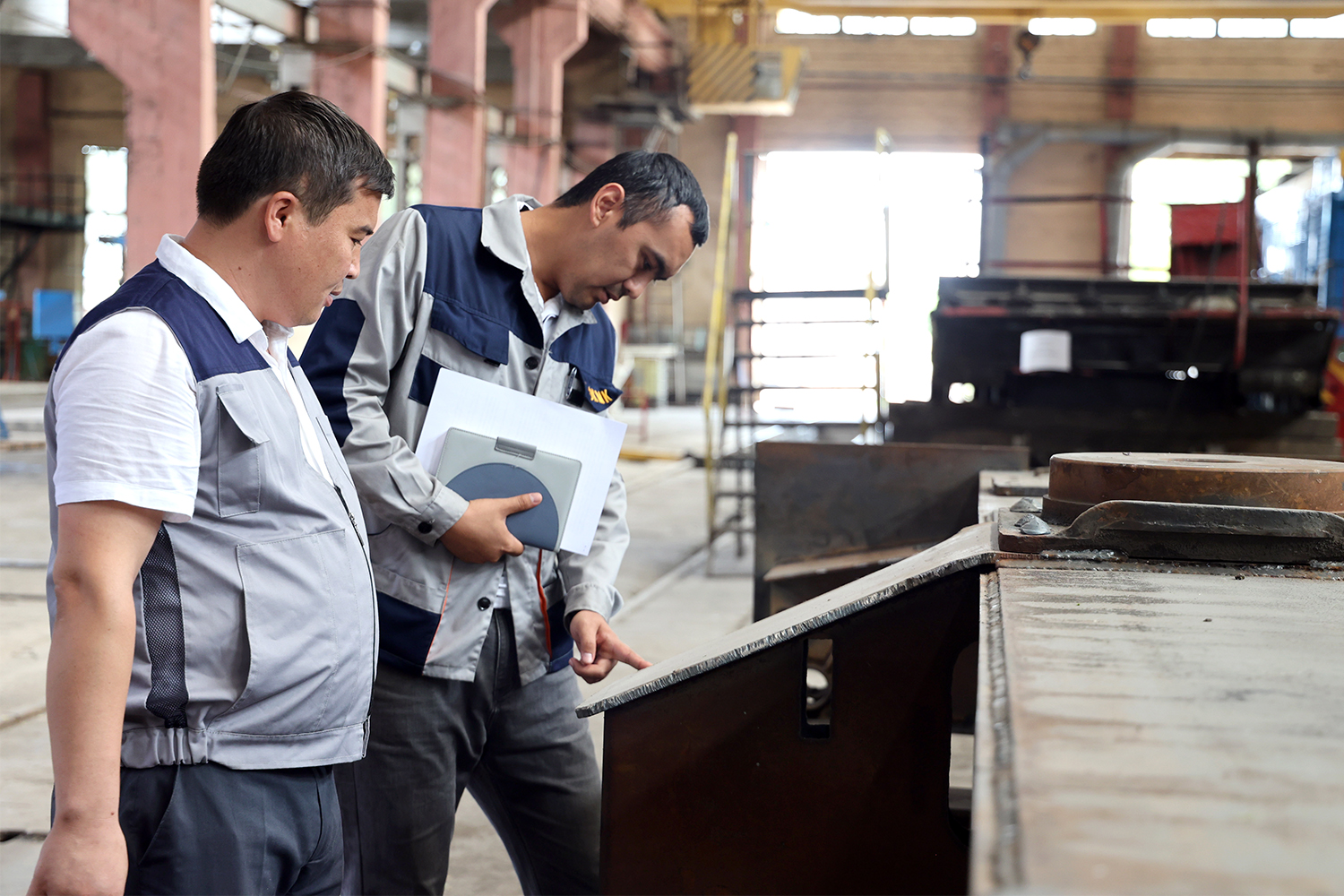
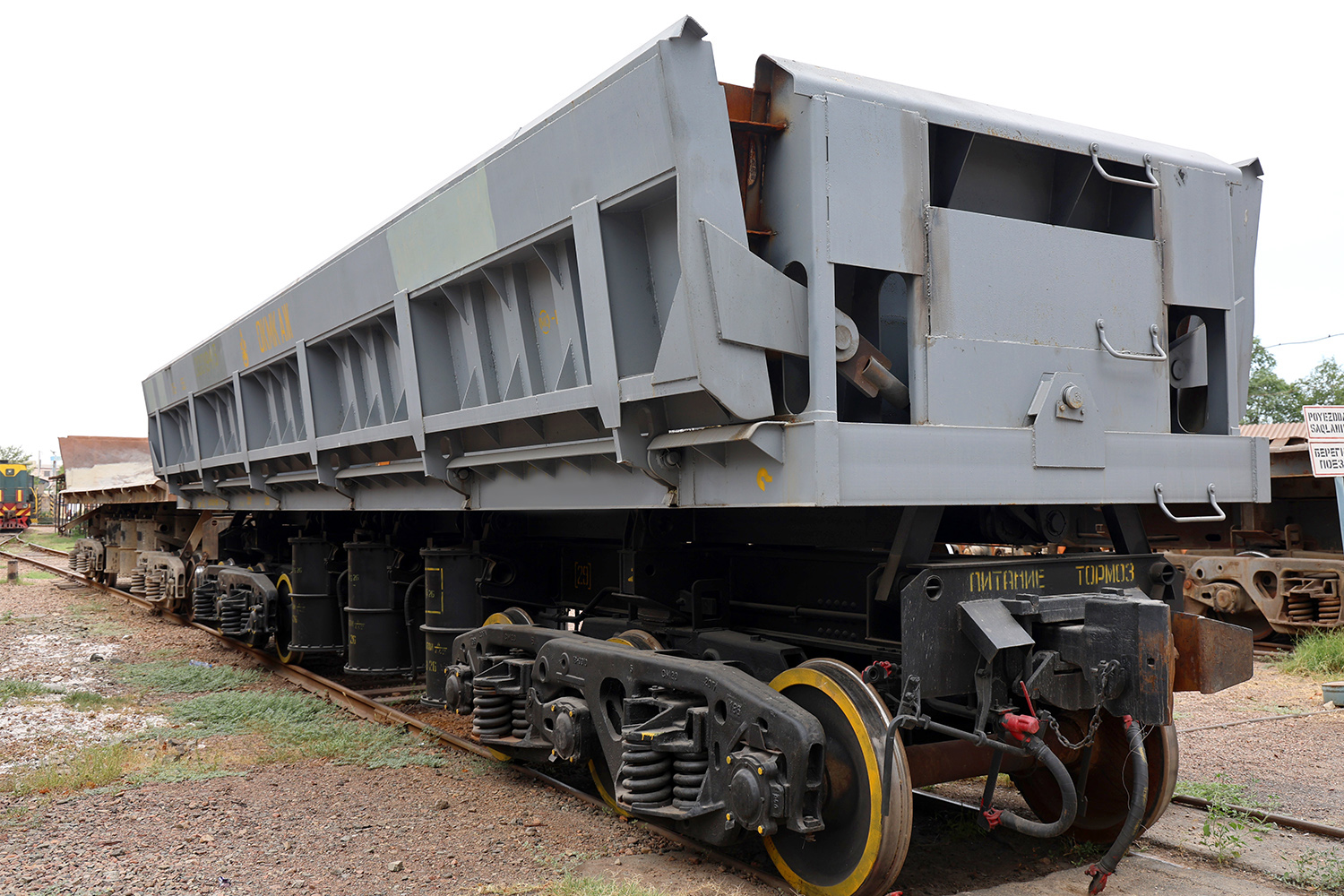
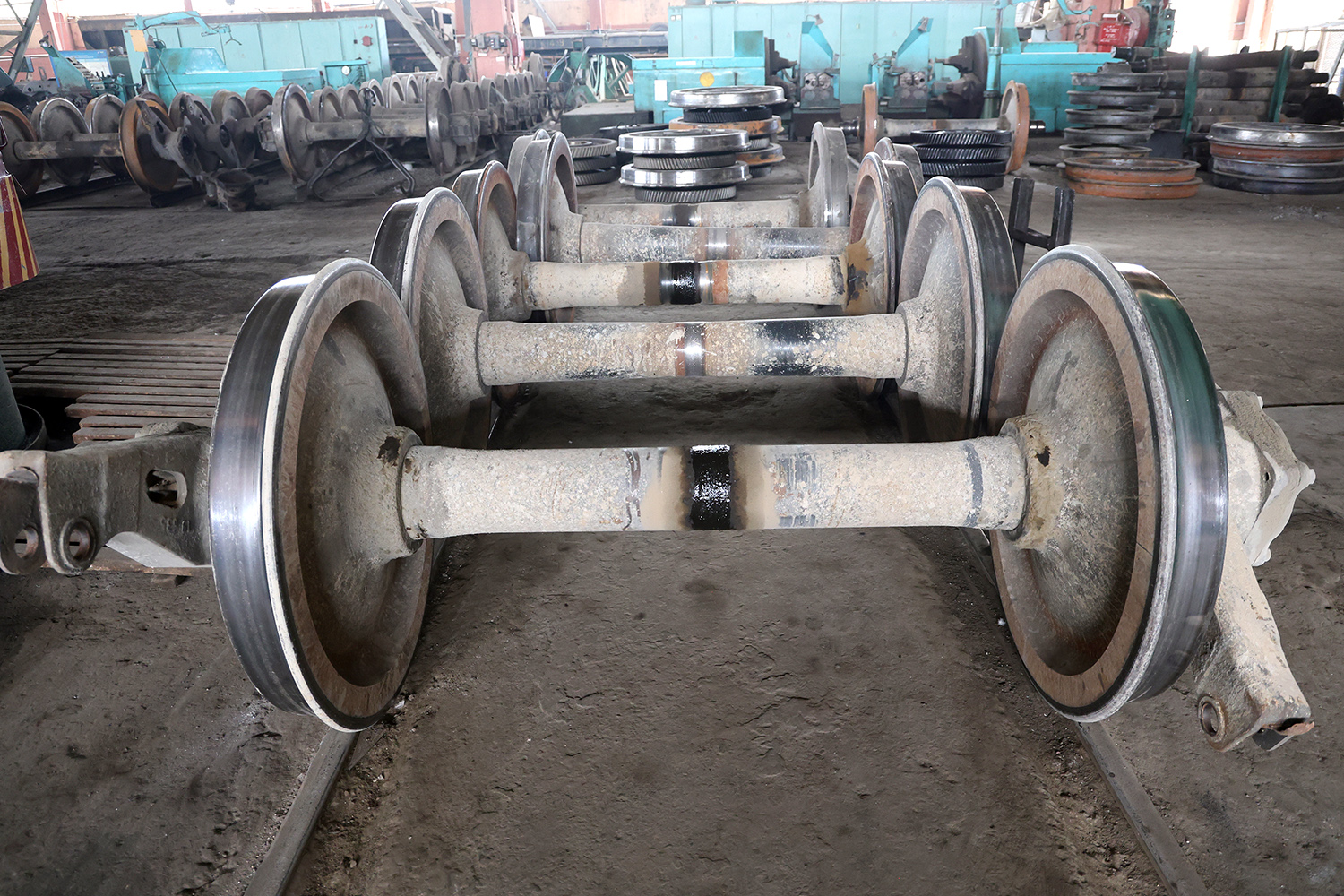
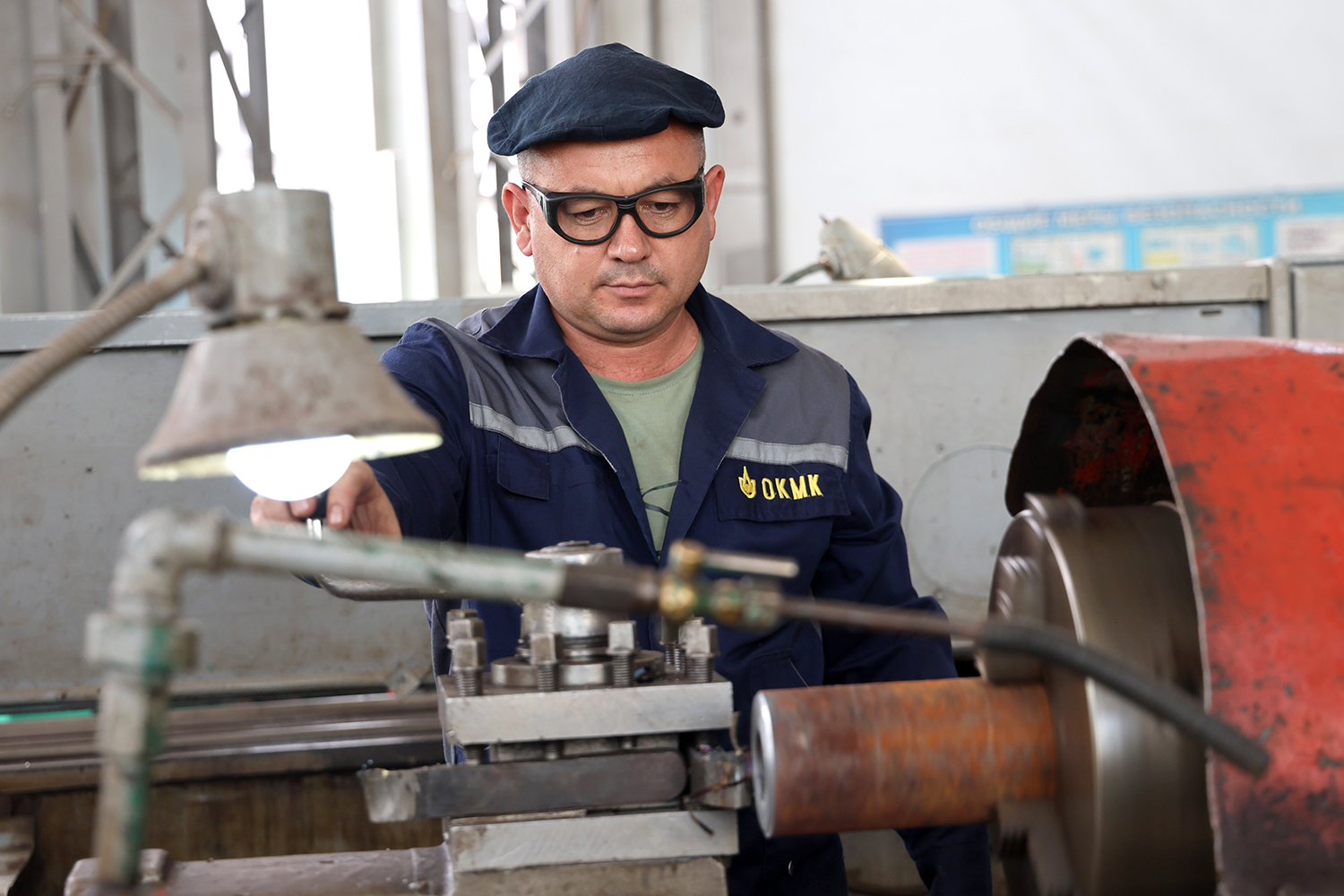
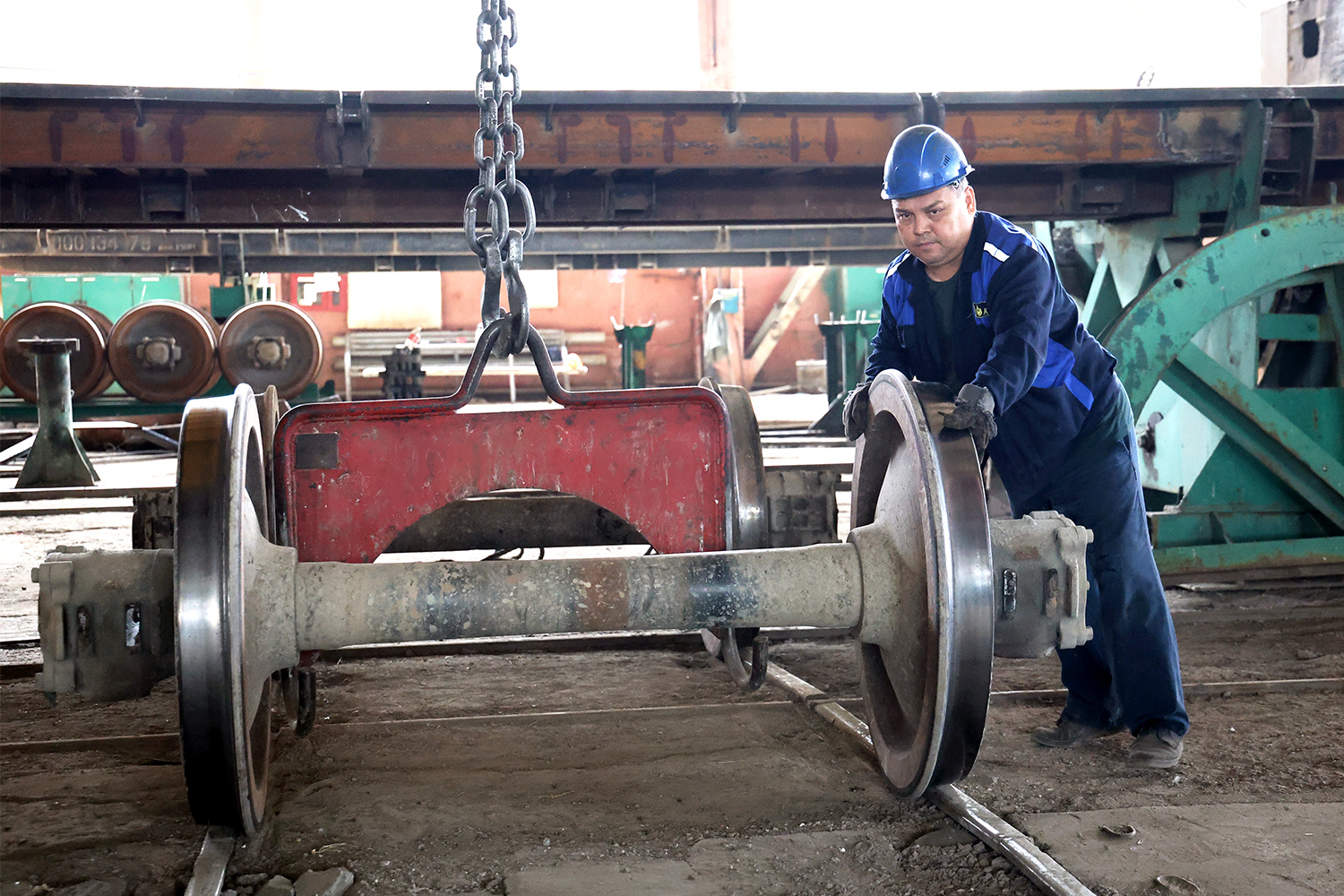
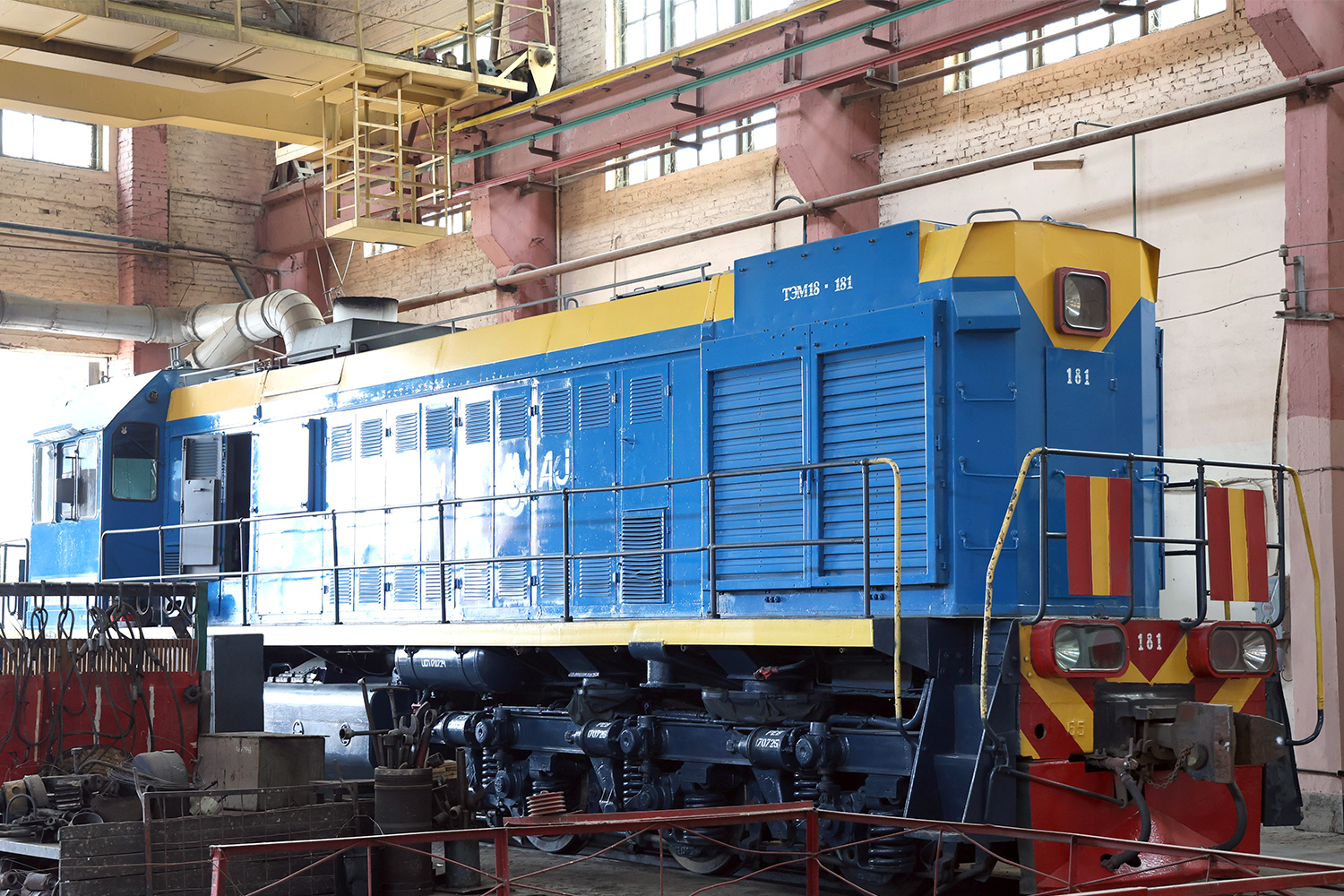
Almalyk Mining and Metallurgical Complex is consistently implementing the Production Localization Program, actively developing the production of previously imported products. The "tow-in" mechanism plays a key role in this effort, enabling the production of products crucial to the Complex process chain to be organized in cooperation with domestic companies.
The Industrial Rail Transport Department is also demonstrating significant results in this area. According to Mukhriddin Omonturdiev, Deputy Head of Railway Shop No. 3, the department currently operates 698 dump cars 2ВС-105. Of these, 322 have been in operation for over 42 years. In other words, almost half of the rolling stock has completely exhausted its service life, and extending its service life is virtually impossible.
The number of unscheduled repairs on these cars increases every year. Furthermore, the repeated refurbishment of key components and parts violates industrial safety requirements. Furthermore, purchasing necessary components abroad is becoming economically unfeasible. The situation is further complicated by disruptions in international logistics caused by the geopolitical situation, leading to delivery delays and creating additional challenges.
In the coming years, the load on the Complex railway infrastructure will increase significantly. The development of the “Yoshlik” deposit and the commissioning of Copper Processing Plant-3 at full design capacity, along with the prospective construction of new concentrator facilities, will significantly increase the volume of ore transported by rail. Calculations show that it is impossible to fulfill these large-scale tasks with the existing fleet of technically obsolete dump cars. Replacing railway cars with expired service lives through imports would require colossal financial outlays, making fleet renewal particularly urgent.
In light of this, the management and specialists of the Industrial Rail Transport Department have proposed launching the production of new-generation 2ВС-105 (Q-115) dump cars at their own production base. When developing the new model, deficiencies identified during the long-term operation of existing cars were taken into account. All weak design elements have been updated with modern technical solutions, which will improve the reliability and quality of the new product. The enterprise already has the production capabilities to implement this project.
To launch full-scale production, a set of technical documentation for each production process has been prepared. In accordance with established requirements, the documents must be approved and certified by authorized organizations in the Republic of Uzbekistan authorized to carry out such work in the railway transport sector.
Currently, a separate production area has been allocated within the company's rolling stock area, where practical work has begun for the project implementation. After production of a prototype dump car and successful completion of testing, it is planned to equip the area with modern equipment and subsequently upgrade it to factory status. Component production for the new cars is planned to be organized at domestic enterprises through a "tow-in-towing" arrangement.
The development of new-generation dump car production will significantly increase the volume and efficiency of rock transportation at the plant.
The project's economic viability is also evident. The cost of one imported dump car currently amounts to approximately 3.4 billion UZS, while producing a similar car in-house would cost approximately 2.6 billion UZS. Thus, savings per unit will reach 800 million UZS. According to forecasts, the annual production of 12 dump cars will result in savings of almost 10 billion UZS per year. Furthermore, the project will create new jobs.
The project, implemented by the Industrial Rail Transport Department, will be an important step in ensuring the Complex production facilities have uninteruptible supply of raw materials and will significantly reduce its dependence on imported purchases.
Information Service
