 Almalyk Mining and Metallurgical Complex Joint Stock Company
-
Call-center
+998 78 141 90 09 -
Helpline
+998 71 619 23 33
 Ру
Ру O'z
O'z En
En-
Call-center
+998 78 141 90 09 -
Helpline
+998 71 619 23 33
Rational Approach is the Way to Savings
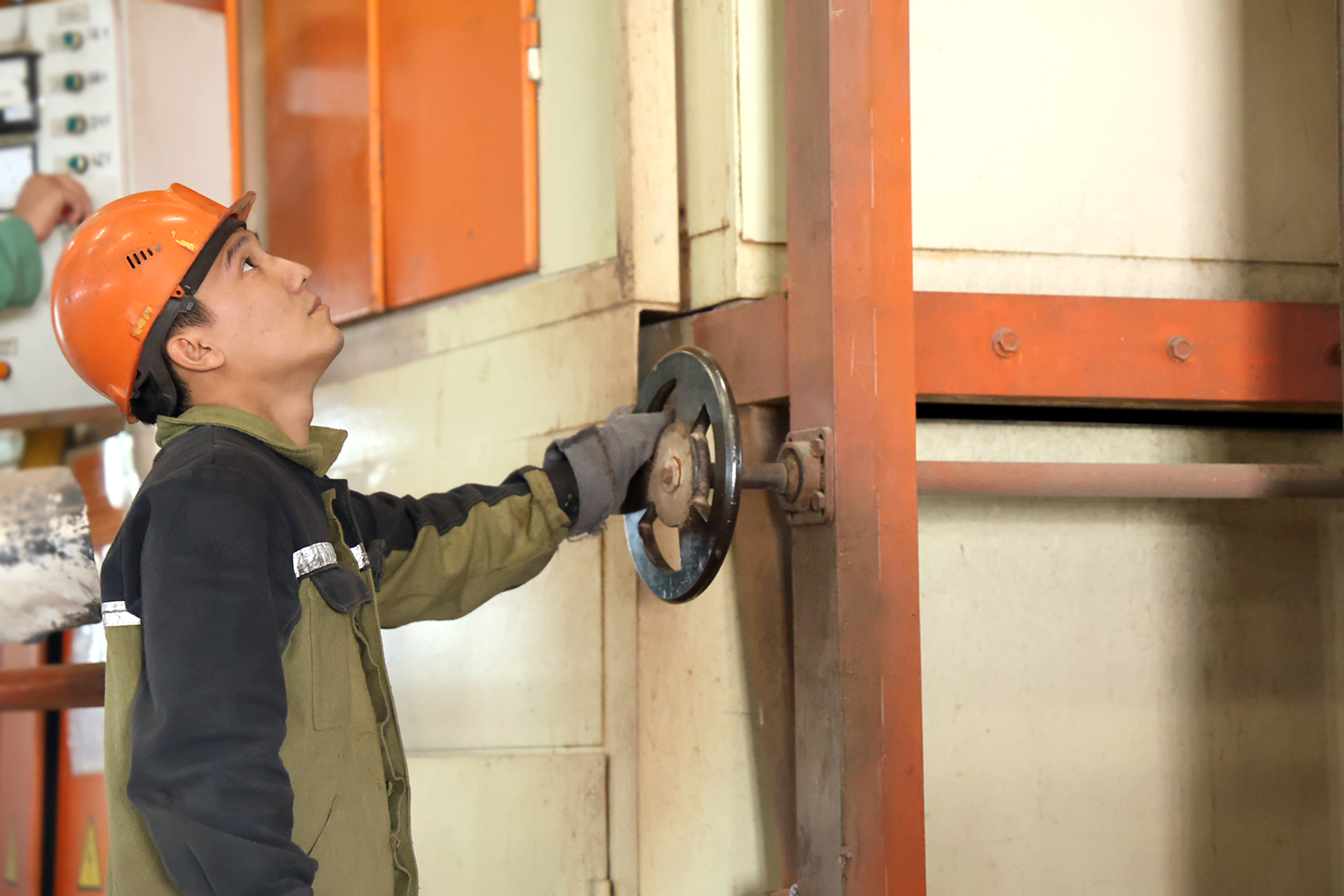
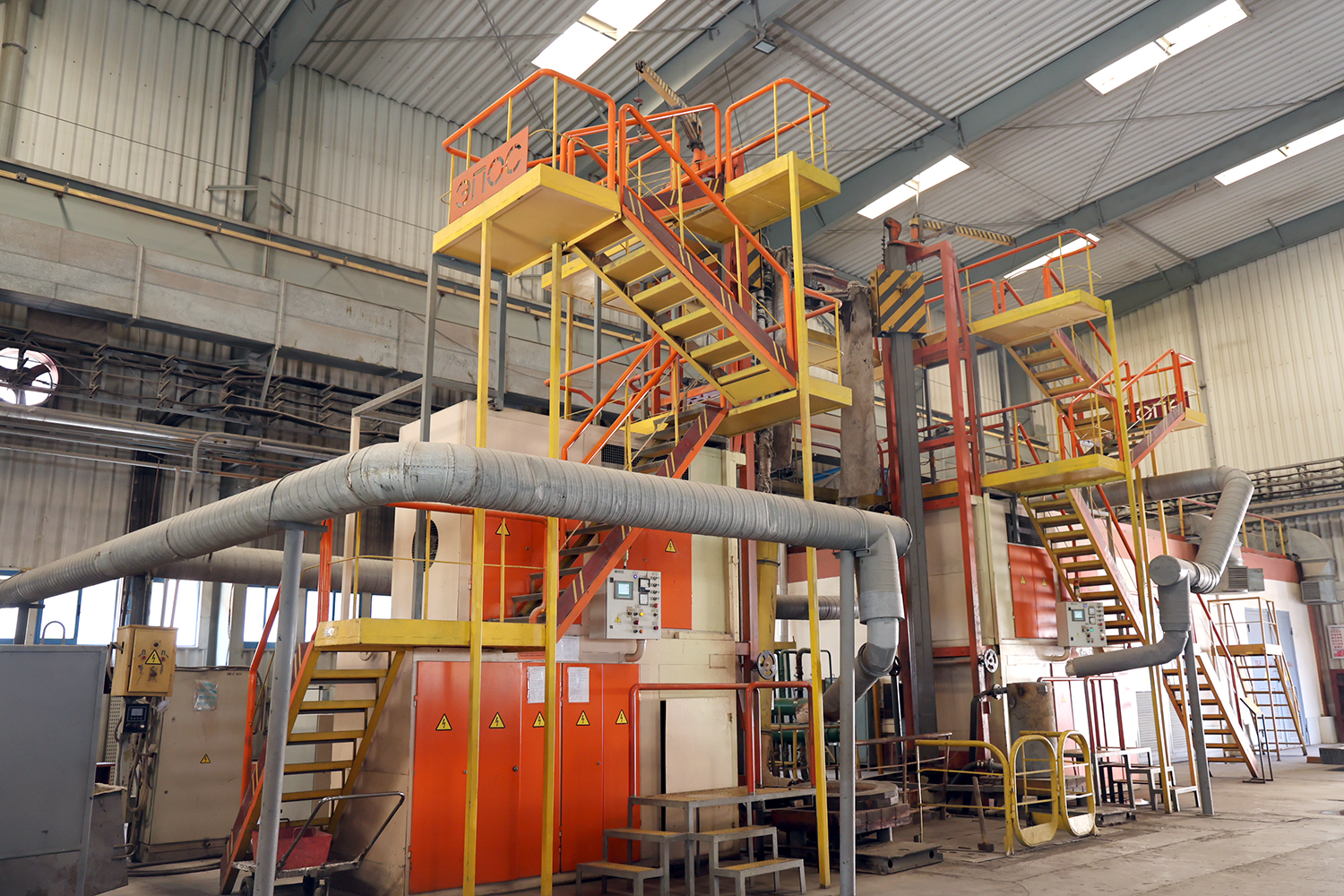
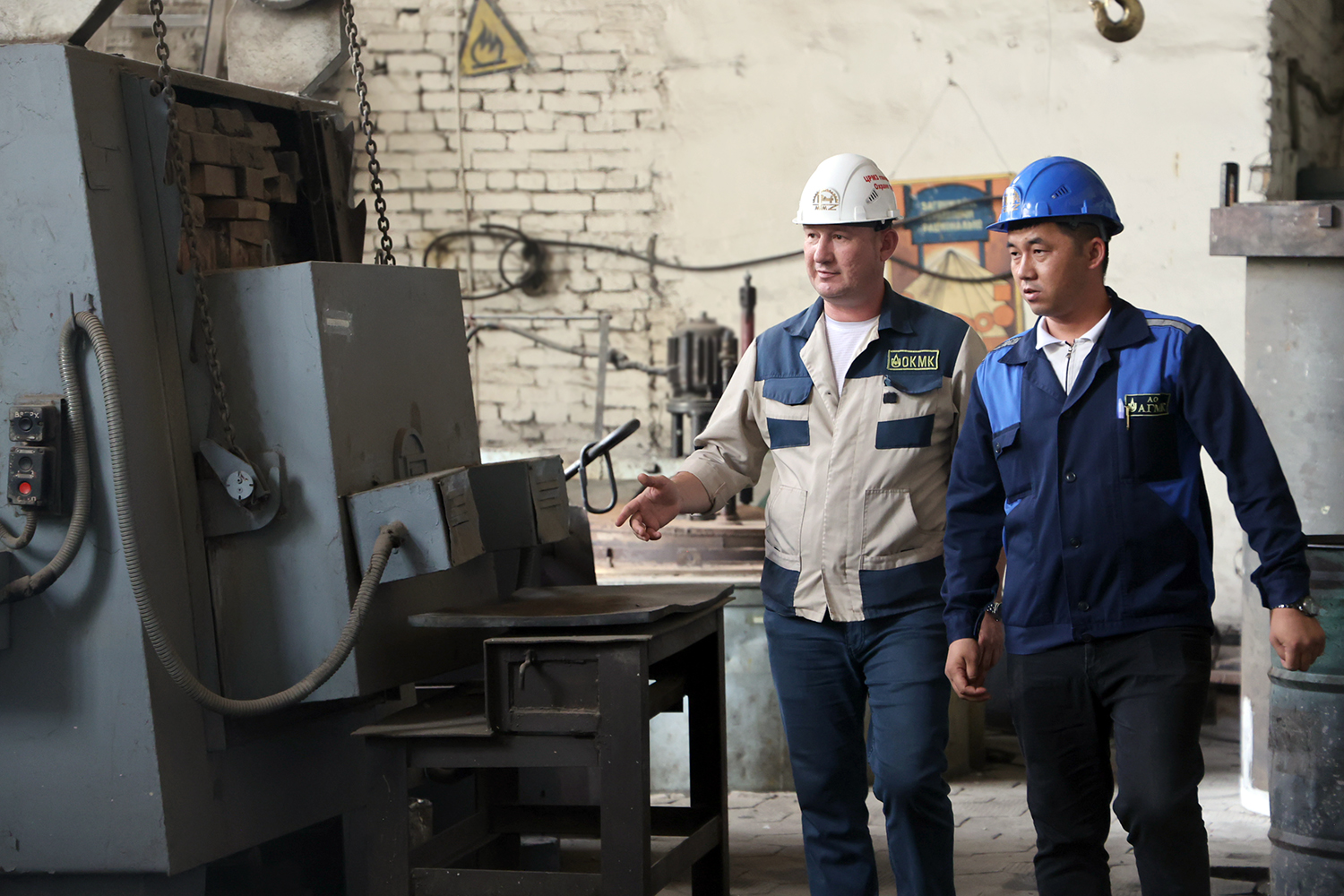
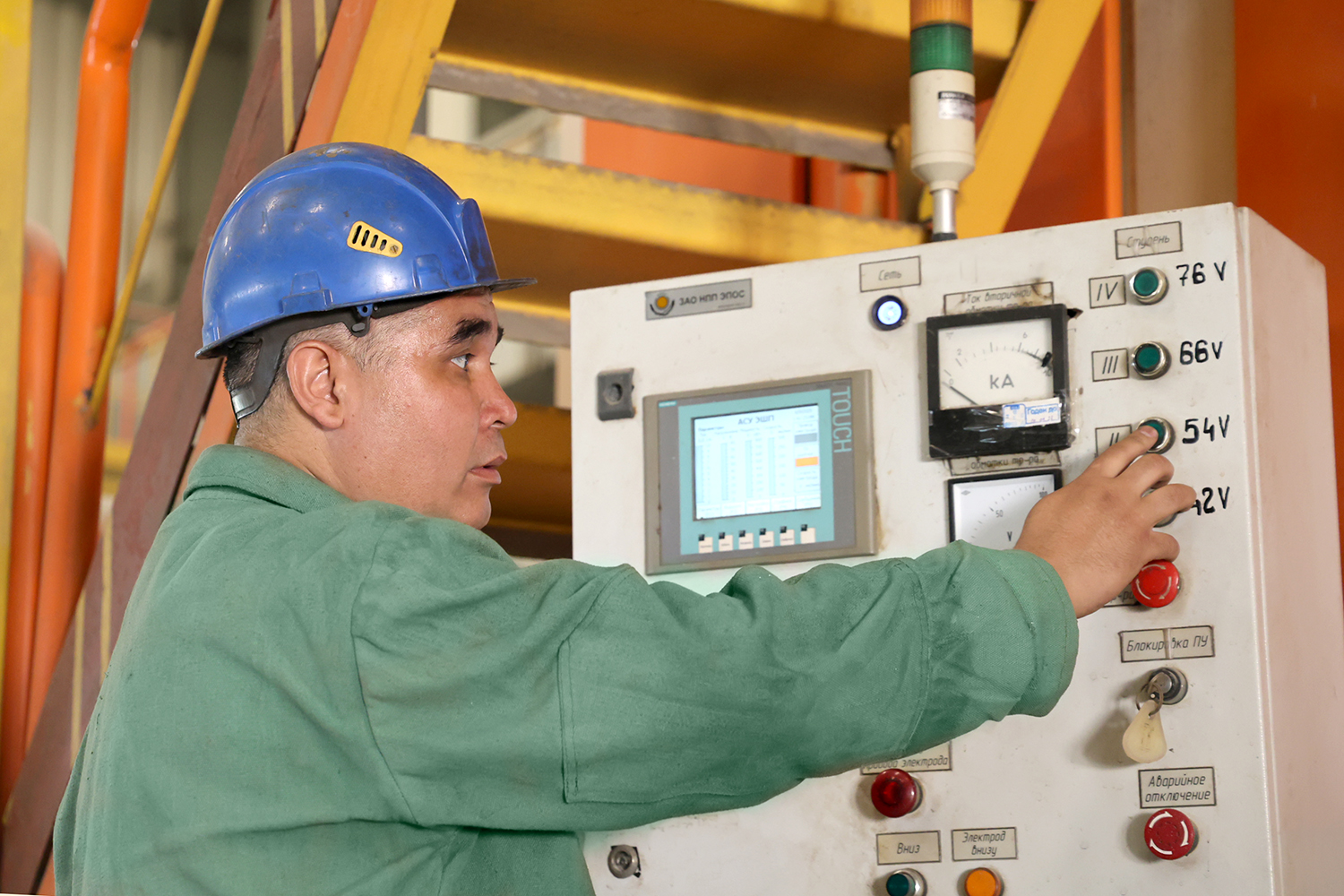
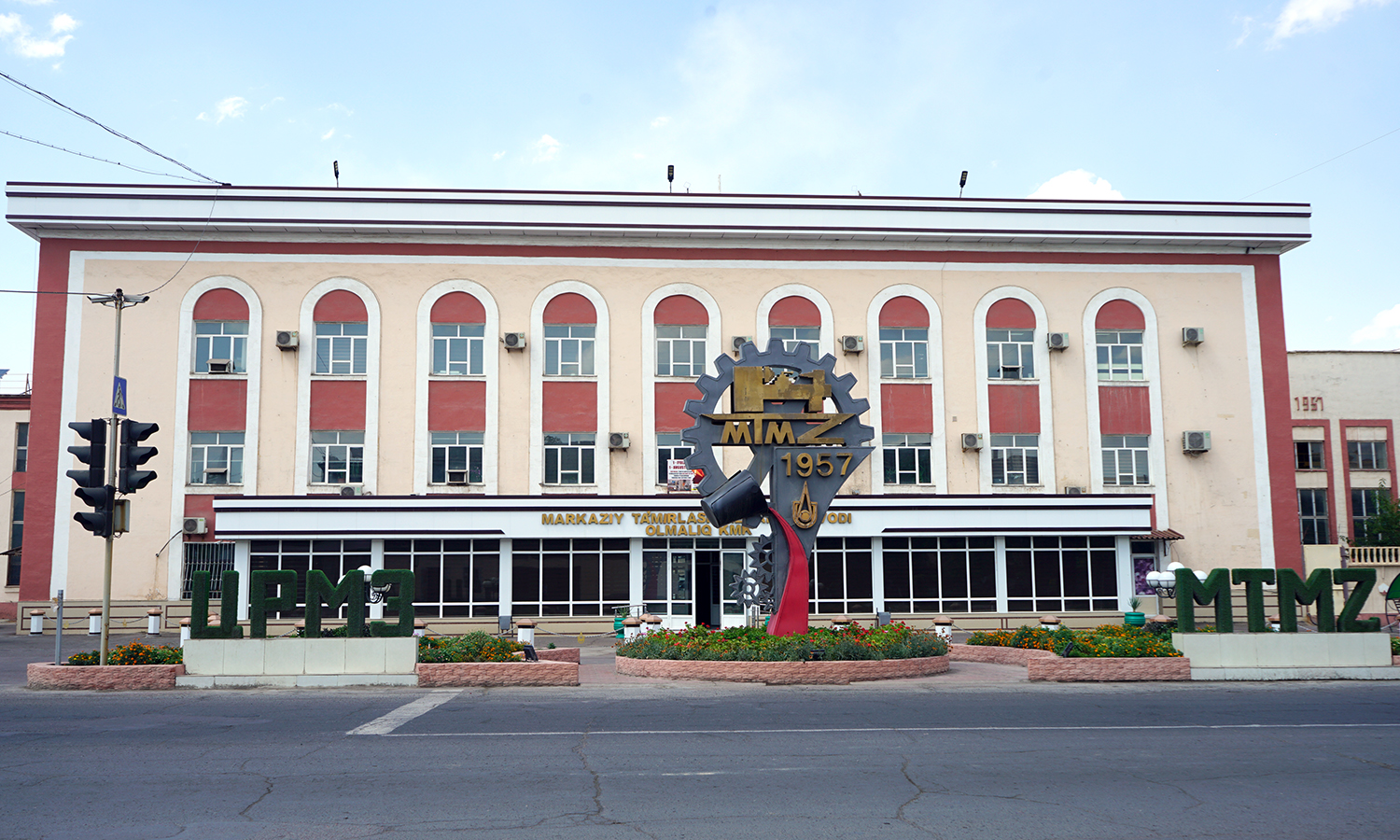
Reducing energy costs and reducing production costs remain among the top priorities for industrial enterprises. In modern conditions, the implementation of energy-efficient solutions is becoming not just a desirable measure, but a necessary element of sustainable development.
The Central Repair and Mechanical Plant of Almalyk Mining and Metallurgical Complex demonstrates in practice how significant savings can be achieved without additional investments through organizational and technical solutions.
The measures to optimize energy consumption proposed by plant specialists are based on rational redistribution of the load depending on electricity tariffs. According to the established tariffs, in the morning hours (from 6:00 to 9:00), the cost of 1 kW of electricity is 1,500 UZS (coefficient 1.5), in the daytime (from 9:00 to 17:00) – 1,000 UZS (coefficient 1), and at night – only 660 UZS (coefficient 0.66). This differentiation gave the plant's specialists an incentive to review the operating schedules of energy-intensive equipment.
First of all, an inventory of technological processes was conducted in terms of energy consumption. Particular attention was paid to those installations that consume the largest amount of electricity. After analyzing the most resource-intensive operations, their work was transferred to night shifts, when electricity tariffs are the lowest.
According to the plant's Chief Power Engineer, Alexander Nikitin, the implemented measures do not require capital investments and do not have a negative impact on production forecasts, compliance with process parameters or the quality of manufactured products.
Optimization of energy consumption was implemented in the key workshops of the enterprise: mechanical assembly, forging and welding, and foundry shops, as well as in the car and special equipment repair shop.
As part of the program, such energy-intensive installations as heating furnaces, turning and boring machines, welding rectifiers, heat-treatment and steel-smelting furnaces were transferred to the night schedule. This step allowed to significantly reduce the load on the power system during peak hours and use resources more rationally.
Thus, the Central Repair and Mechanical Plant manages to save on average about 150 million sums per month, which is a clear confirmation of the fact that even simple organizational changes can lead to significant financial results.
Information Service
